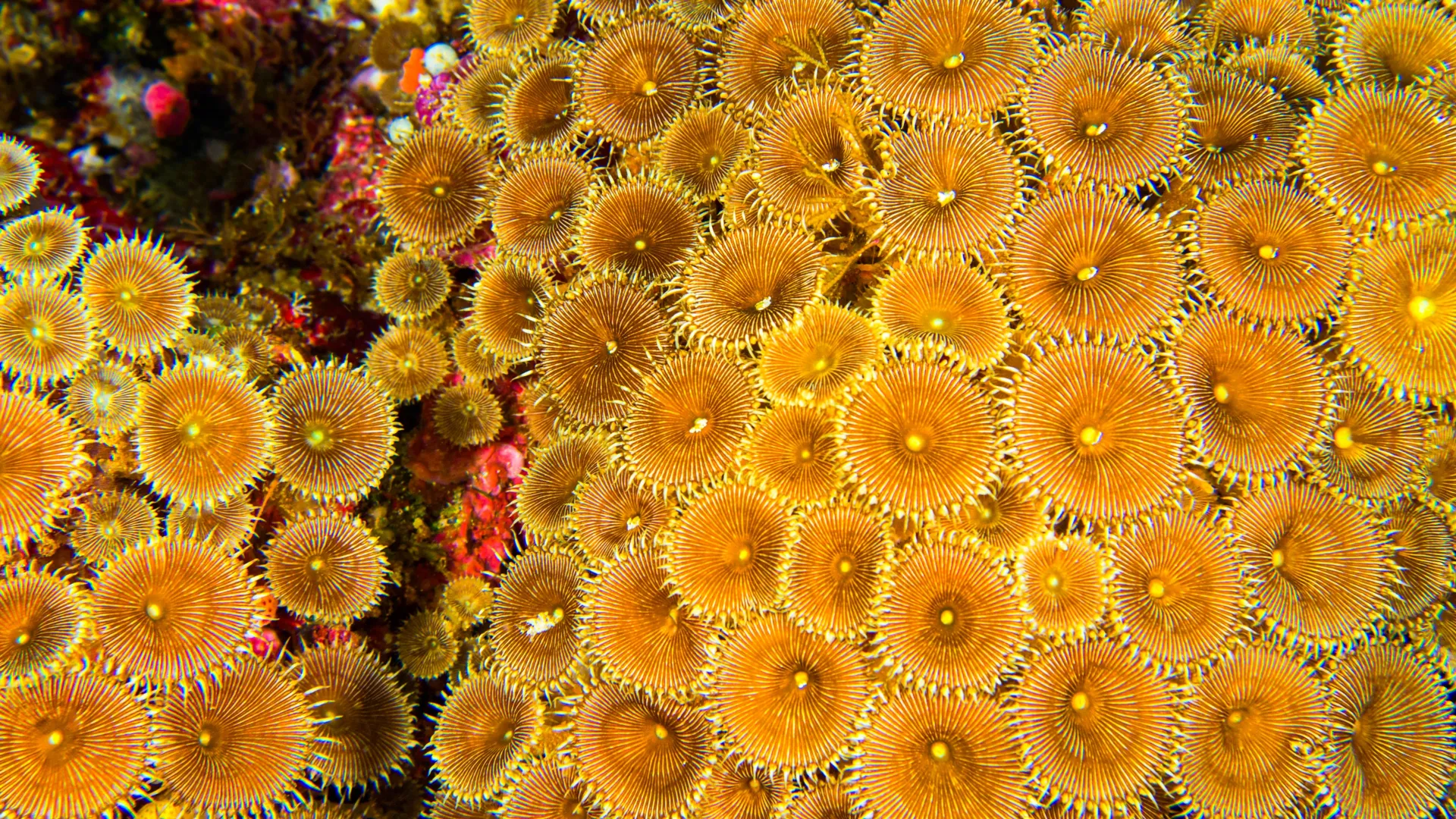
Coral reefs harbor thousands of undiscovered microbes with potential pharmaceutical applications, according to emerging research into the complex microbial communities that sustain these ecosystems.
Each coral species cultivates its own distinct microbial consortium, scientists found. These microbial partners synthesize diverse chemical compounds that researchers are now investigating for medical and biotechnology applications. The scope of this microbial diversity had previously gone underexplored despite its potential clinical value.
The research underscores the interconnected nature of coral reef biology. Corals don't function as isolated organisms but rather as superorganisms hosting specialized bacterial and other microbial communities essential to their survival and chemical production. These microbial-coral partnerships generate bioactive molecules that could inform drug development, antibiotic discovery, and industrial biotech processes.
The findings carry urgent conservation implications. As coral reefs face bleaching events, ocean acidification, and warming temperatures, scientists warn that species extinction could erase undocumented microbes before researchers have the chance to catalog their chemical potential. Each lost coral species represents the loss of its entire microbial ecosystem and the compounds those microbes produce.
This research represents part of a broader shift in marine bioprospecting. Scientists increasingly recognize that ocean ecosystems function as vast chemical libraries. The compounds produced by coral-associated microbes evolved over millions of years to address ecological challenges, making them fertile ground for pharmaceutical innovation.
The work also challenges conventional views of coral biology. Rather than viewing reefs as simple animal communities, researchers now understand them as complex holobionts—organisms composed of the coral animal plus its microbial partners functioning as integrated units. This perspective opens new research directions for understanding coral health, resilience, and biochemistry.
Specific research teams and institutional affiliations remain limited in this excerpt, preventing attribution to named researchers or journals. However, the work aligns with ongoing studies at marine research