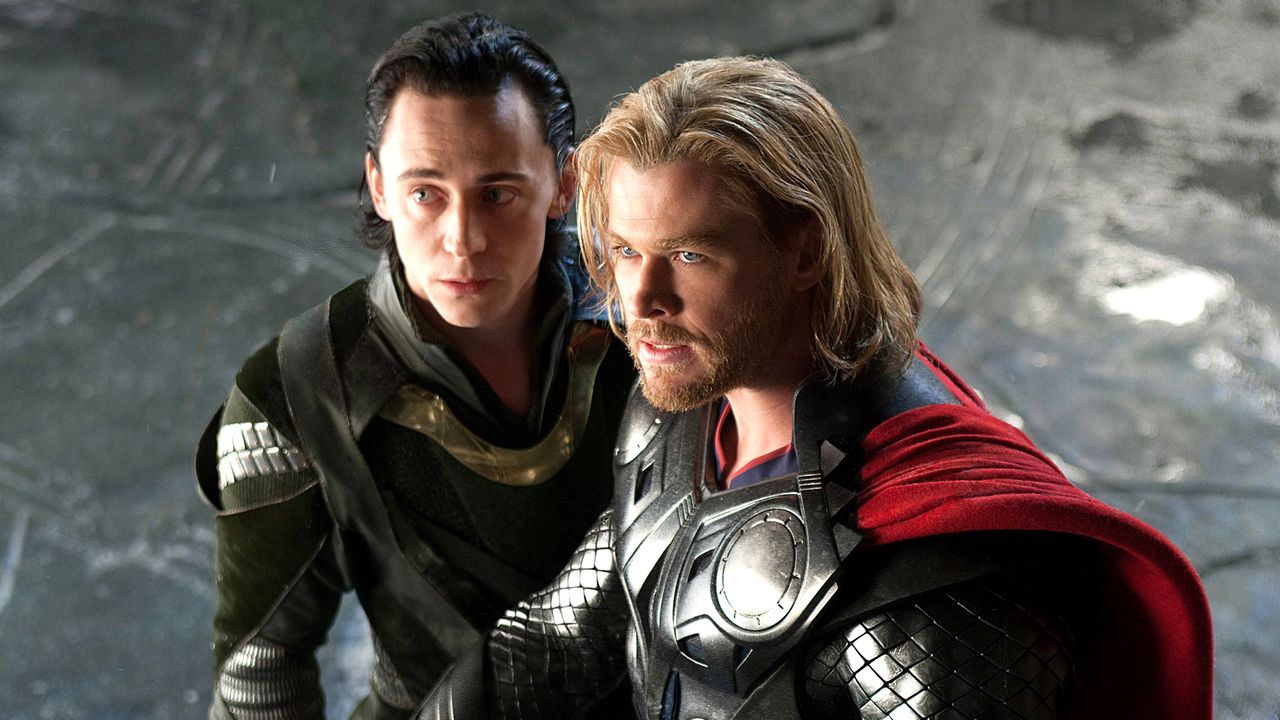
In 2011, Kenneth Branagh's "Thor" established Marvel's God of Thunder as a serious dramatic character capable of emotional depth and mythological weight. The film balanced Shakespearean gravitas with action spectacle, treating Asgard and its inhabitants as genuinely consequential within the Marvel Cinematic Universe. Tom Hiddleston's Loki emerged as a complex antagonist driven by family trauma rather than simple villainy.
Subsequent Thor films abandoned this approach entirely. "Thor: The Dark World" (2013) devolved into tired fantasy tropes. "Thor: Ragnarok" (2017) pivoted to comedy, reducing existential threats to punchlines and transforming Thor into a comedic relief character. "Thor: Love and Thunder" (2022) continued this trajectory, prioritizing humor over narrative coherence and character development.
The shift reflects broader MCU trends toward self-aware comedy and tonal inconsistency. While humor serves Marvel's brand, the relentless comedic tone in recent Thor films undermines the character's complexity and the stakes of his stories. Branagh's film demonstrated that cosmic mythology and character-driven drama could coexist with action sequences.
The original "Thor" treated its source material with respect. Branagh grounded the fantastical elements in emotional reality, using the Bifrost's destruction and Loki's descent into villainy as genuine tragedy. Tom Hiddleston delivered nuanced performance capturing resentment and insecurity beneath megalomaniacal ambitions.
Later films abandoned this template. Directors Taika Waititi and Chloé Zhao prioritized spectacle and jokes, treating the Thunder God as a vehicle for comedic moments rather than exploring his character arc or the mythology establishing him. The MCU's formula demands franchise safety over creative risks.
Fifteen years later