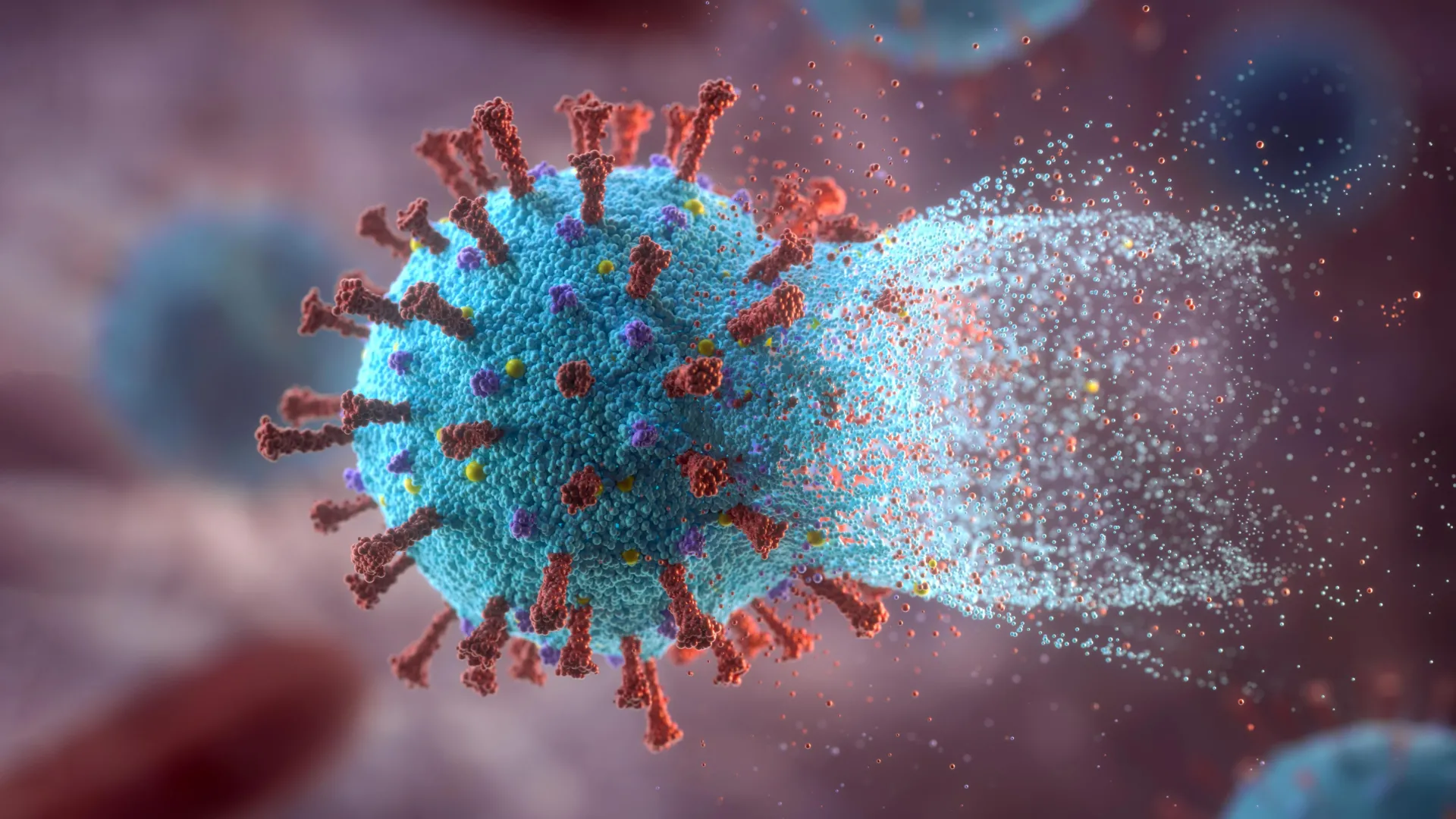
Researchers have identified natural compounds from a Brazilian tree that attack COVID-19 through multiple mechanisms simultaneously. Scientists extracted galloylquinic acids from leaves of a little-known Atlantic Forest species and found these compounds block SARS-CoV-2 entry into cells, disrupt viral replication, and reduce harmful inflammatory responses.
The multi-pronged approach distinguishes this discovery from conventional antivirals targeting single viral components. When drugs attack pathogens in just one way, resistance develops more easily. Simultaneous attacks on multiple fronts make it harder for the virus to evolve escape mechanisms.
The compounds showed effectiveness across three critical stages of infection. They physically prevent the virus from attaching to and entering host cells. They also interfere with the virus's ability to copy itself once inside cells. Additionally, they suppress excessive immune responses that damage lung tissue and other organs.
This research builds on growing interest in natural product-based therapeutics. Plant-derived compounds have historically yielded effective drugs, from aspirin derived from willow bark to artemisinin from sweet wormwood, which treats malaria. Brazil's Atlantic Forest represents one of Earth's most biodiverse regions and least explored for pharmaceutical applications.
The findings remain preliminary. Laboratory studies demonstrating compound efficacy differ significantly from clinical trials in living patients. Researchers must establish optimal dosages, potential side effects, and how the body metabolizes these compounds. Long-term toxicity testing is standard before human trials begin.
The work also occurs as COVID-19 evolves. New variants sometimes escape immunity from vaccines or prior infections. A multi-target treatment could prove valuable even as the virus mutates, since altering multiple attack sites simultaneously imposes greater evolutionary pressure than changing a single target.
Scaling production presents another hurdle. Extracting sufficient quantities of galloylquinic acids from tree leaves for therapeutic use requires developing efficient extraction and