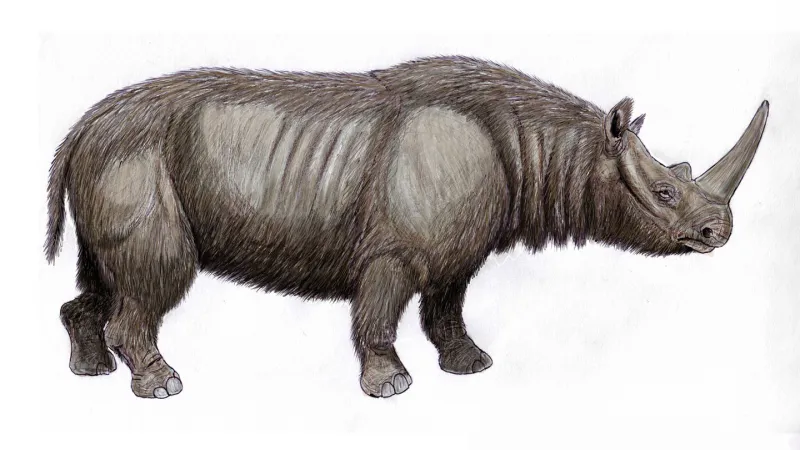
Neandertals deliberately harvested and used rhinoceros teeth as specialized tools for heavy-duty work, according to researchers who examined artifacts from archaeological sites in Spain and France.
The team identified wear patterns and damage on preserved rhino teeth that match the characteristics of tools used for scraping, cutting, and processing materials. The teeth show intentional modification and handling consistent with deliberate tool use rather than accidental damage from scavenging or trampling.
The research expands understanding of Neandertal technology and resourcefulness. Previous studies documented Neandertals crafting stone tools and using animal bones, but this work reveals they also exploited large animal teeth as implements. Rhinoceros teeth offered advantages over stone or bone. Their hardness and durability made them effective for demanding tasks like hide processing or bone working.
The finds come from multiple sites, suggesting this was not an isolated practice but a recurring strategy among Neandertal populations. The Spanish and French locations date to periods when woolly rhinoceroses inhabited Europe, placing the discoveries within the broader context of Neandertal subsistence and tool-making practices.
This discovery carries implications for how we assess Neandertal cognition and problem-solving abilities. Using large animal teeth as tools requires recognizing the material properties of different resources and adapting them to specific purposes. These behaviors demonstrate planning, experimentation, and knowledge of environmental resources.
The work also highlights Neandertals' engagement with megafauna. Rather than simply hunting or scavenging large animals like rhinos, they systematically extracted and repurposed specific anatomical features. This level of exploitation suggests intimate familiarity with animal anatomy and material properties.
Limitations exist in the research. Establishing definitively that tooth wear came from human use versus natural processes requires careful analysis and comparison with controlled experiments. The sample sizes from any single site may