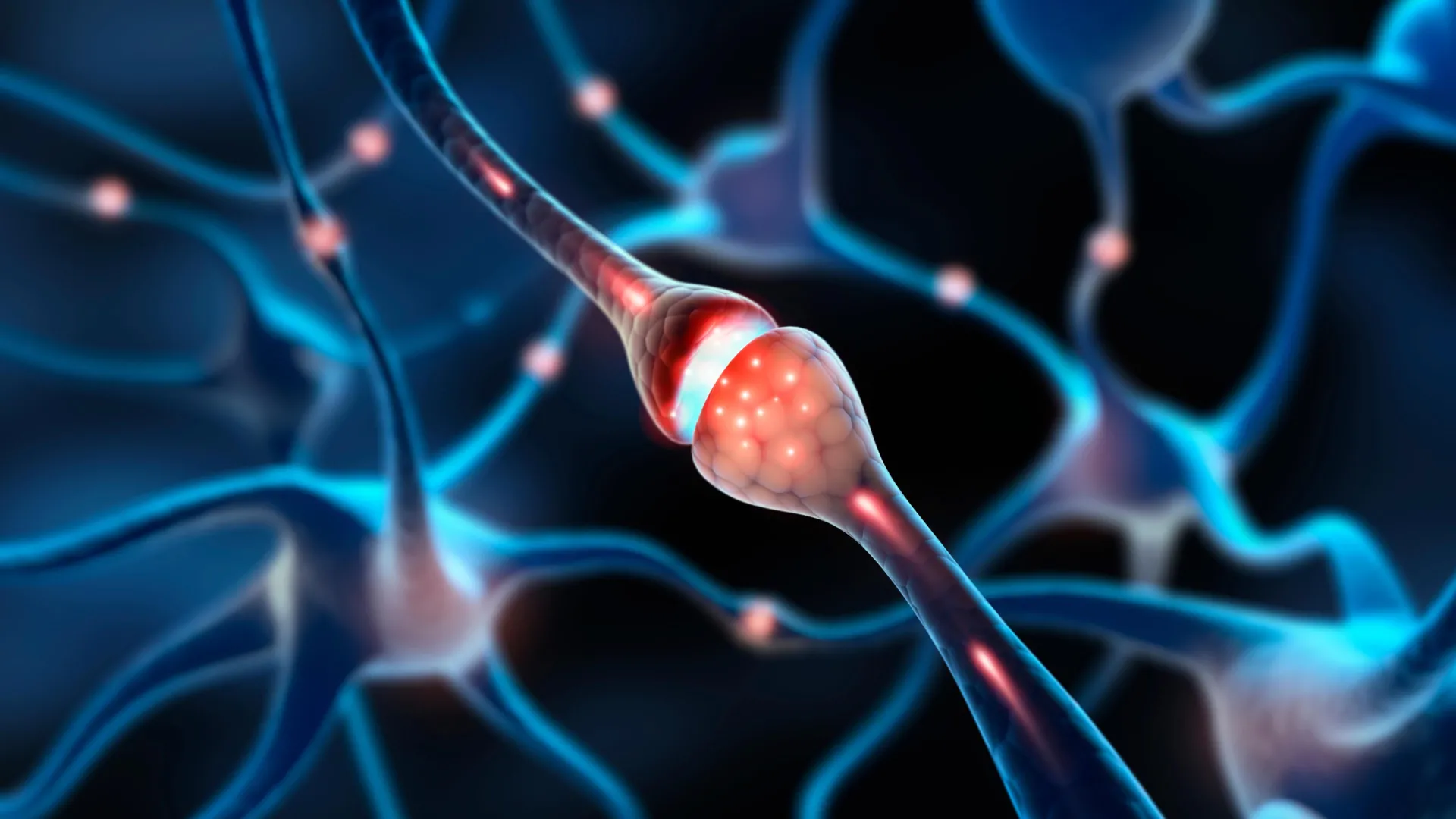
MIT neuroscientists have discovered millions of dormant neural connections in the adult brain that activate during learning, overturning long-held assumptions about how memory forms in mature brains.
The team found that about 30% of synapses in the adult cortex remain "silent"—functionally inactive but structurally intact. Rather than being relics of early development, these connections serve as a reserve network ready to engage when new information arrives. The research reveals that the adult brain retains far greater plasticity and learning capacity than previously understood.
Scientists believed silent synapses existed primarily during childhood development, when the brain establishes foundational neural architecture. The MIT findings demonstrate these dormant connections persist throughout adulthood and play an active role in forming new memories. When learning occurs, the brain can rapidly mobilize these silent synapses, transforming them from inactive to functional without requiring formation of entirely new connections.
This discovery has practical implications for understanding learning, memory formation, and potentially brain recovery after injury. It suggests the adult brain maintains a larger reserve of adaptability than textbooks indicated. The existence of these ready-to-activate synapses explains how adults can still acquire complex skills and knowledge despite the brain's reduced plasticity compared to childhood.
The research also raises questions about why the brain maintains such a large reserve of silent connections. One possibility involves metabolic efficiency: keeping synapses dormant consumes less energy than maintaining them in active states. Another relates to memory storage capacity; silent synapses may provide room for new learning without disrupting established memories.
The study opens avenues for future research into brain disorders and cognitive decline. Understanding how to maintain or reactivate silent synapses could inform therapies for conditions like Alzheimer's disease or help optimize learning strategies for aging populations.
THE TAKEAWAY: The adult brain contains a hidden reserve of learning potential through dormant synapses, challenging