# Did Japan Have Female Samurai?
Yes, Japan had female samurai, though their numbers remained small compared to their male counterparts. These women, known as onna-bugeisha, trained in martial arts and combat techniques and served samurai families during Japan's feudal period.
Historical records confirm that female samurai existed from at least the 12th century through the Meiji Restoration in 1868. They wielded weapons including the naginata, a curved polearm, and the katana sword. Some onna-bugeisha achieved prominence as military leaders and strategists rather than mere support figures.
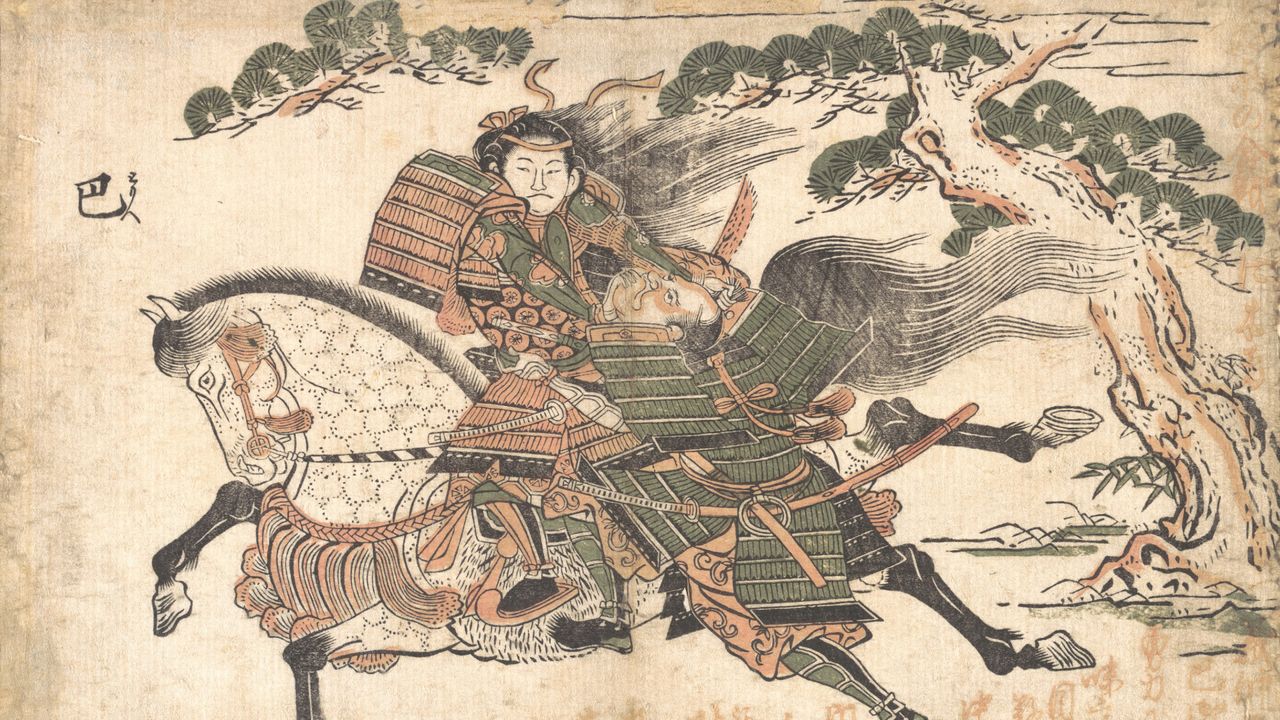
One documented example is Tomoe Gozen, a 12th-century warrior who fought alongside her husband during the Genpei War. Historical accounts describe her as a skilled archer and swordsman who participated directly in combat. Another notable figure is Takeda Shingen's daughter, Ine, who commanded troops and managed castle defenses.
Female samurai typically came from samurai families, inheriting their position and training rather than choosing the warrior path independently. They received instruction in combat arts as part of their family obligations and were expected to defend their households if necessary. Some served as bodyguards for daimyo wives and children, while others managed castle defenses during their husbands' absences.
The samurai code of honor, bushido, applied to women warriors as well. Female samurai demonstrated the same loyalty, discipline, and martial skill expected of male warriors. However, as the samurai class became more formally institutionalized during the Edo period, opportunities for female participation gradually declined.
By the time the samurai class dissolved in the late 19th century, the role of onna-bugeisha had largely faded from prominence. Modern historical scholarship continues to uncover evidence of these warriors, challenging earlier assumptions that samurai culture excluded