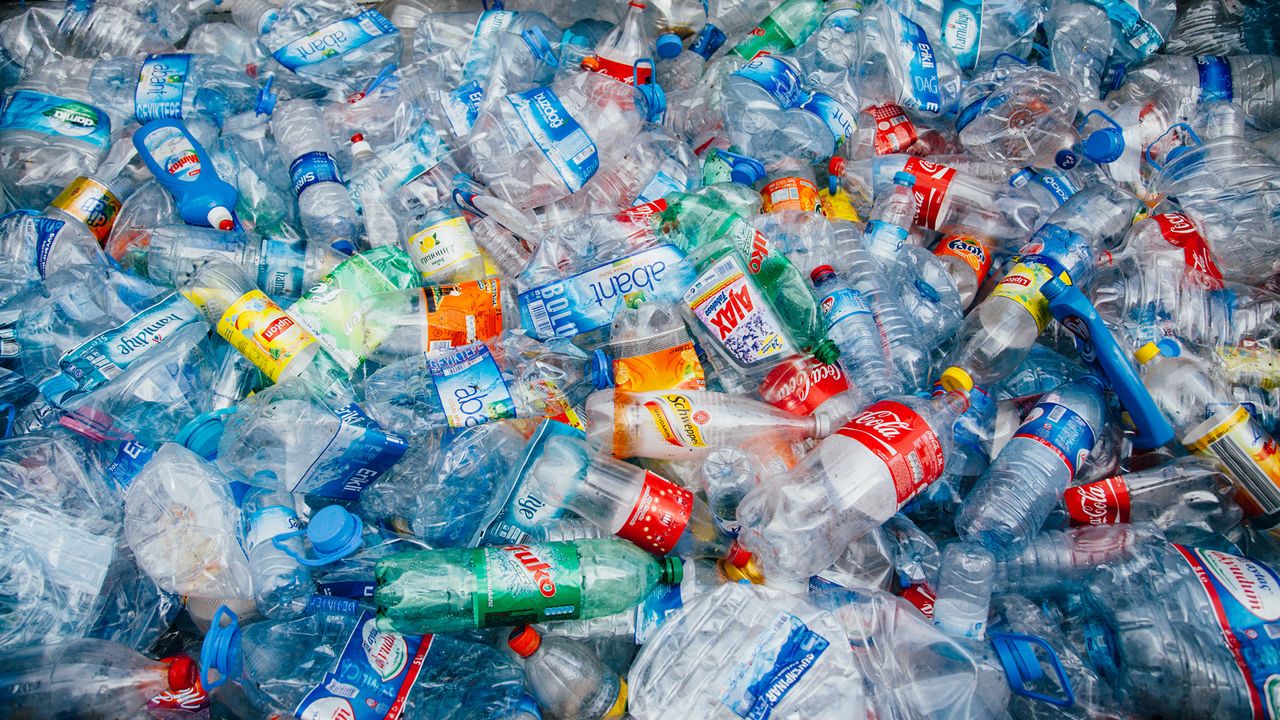
Researchers have demonstrated a method to produce clean hydrogen from hard-to-recycle plastics using sulfuric acid from discarded car batteries, powered by solar energy. The approach simultaneously addresses two major waste problems: plastic pollution and spent automotive batteries.
The system works through a circular economy model. Scientists use sulfuric acid extracted from old lead-acid batteries to chemically break down plastic waste into hydrogen gas. Solar panels provide the energy needed for this conversion process, eliminating reliance on fossil fuels. The researchers note that this technique targets plastics that currently end up in landfills because conventional recycling infrastructure cannot process them efficiently.
The method shows promise for addressing both environmental and economic challenges. Hard-to-recycle plastics like multilayer films and contaminated polymers represent a growing waste management problem worldwide. Lead-acid batteries, meanwhile, generate approximately 6 million tons of waste annually, with sulfuric acid posing disposal hazards. By combining these waste streams, the process creates a dual benefit.
The hydrogen produced through this pathway could fuel hydrogen fuel cells or power industrial processes, providing clean energy without carbon emissions. This differs from conventional hydrogen production, which typically relies on steam methane reforming and generates substantial greenhouse gas emissions.
However, limitations remain. The scalability of the process requires testing at industrial scales, and researchers must verify the purity and consistency of hydrogen output across different plastic types. The efficiency of solar-powered conversion varies with weather conditions and geographic location. Additionally, establishing collection infrastructure for both plastic waste and spent batteries presents logistical challenges in many regions.
The research exemplifies how circular economy principles can convert problematic waste into valuable resources. Success at commercial scale could simultaneously reduce landfill burden, create new hydrogen supply chains, and improve battery waste management. Further development and pilot projects will determine whether this approach becomes economically viable for widespread implementation.
THE TAKEAWAY: Using solar-powered