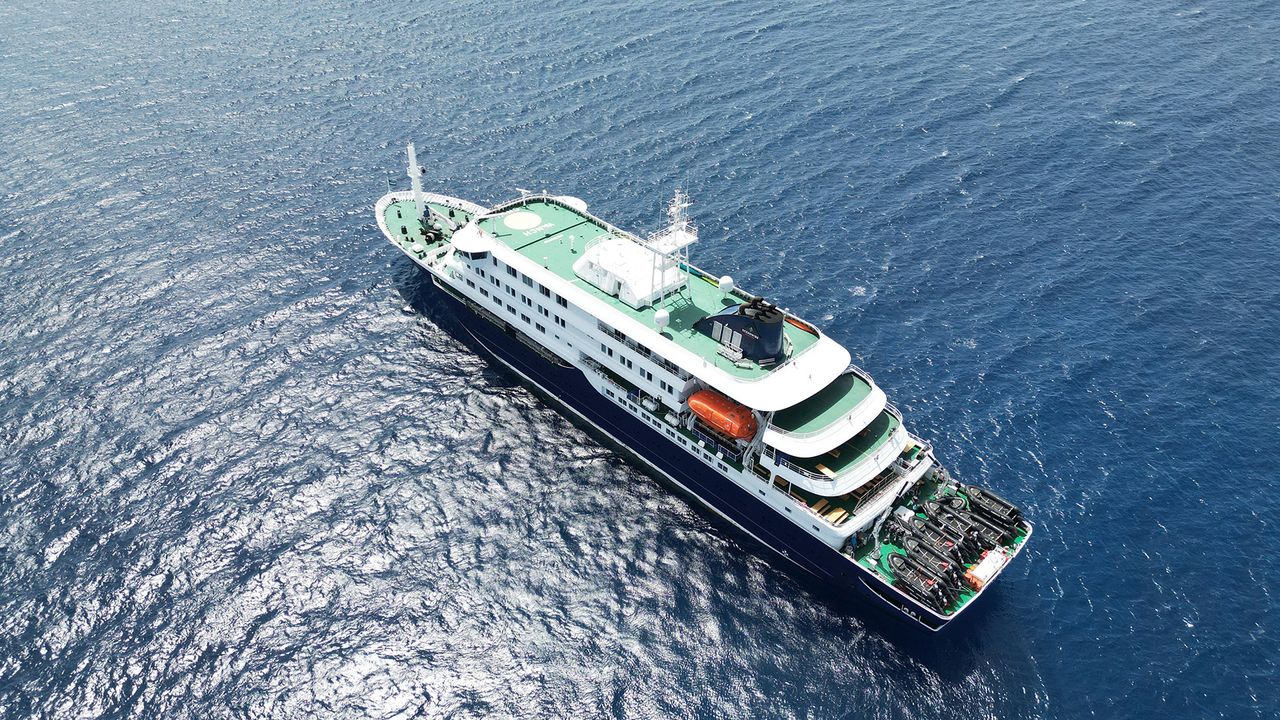
Laboratory tests identified the Andes virus as the cause of illness among passengers and crew aboard the cruise ship MV Hondius, marking a rare documented outbreak of human-to-human transmission of a hantavirus.
The Andes virus stands apart from other hantaviruses because it transmits directly between people, rather than through rodent contact. Most hantaviruses infect humans only when they encounter infected rodent droppings, urine, or saliva. The Andes virus, first identified in Chile in 1993, breaks this pattern by spreading via respiratory droplets from infected individuals to others in close contact.
Hantavirus pulmonary syndrome, the disease caused by Andes virus infection, produces severe respiratory symptoms and carries a fatality rate between 30 and 40 percent. Early symptoms mimic influenza, including fever, muscle aches, and fatigue, followed by respiratory distress. Few treatments exist beyond supportive care in intensive care settings.
The MV Hondius outbreak occurred aboard an expedition cruise vessel that operates in Antarctic and sub-Antarctic waters. Researchers have not yet disclosed the exact number of confirmed cases or confirmed deaths, but the cruise line cancelled subsequent voyages following the cluster identification.
This case adds to the limited history of Andes virus outbreaks documented outside South America. Previous clusters occurred in Argentina and Chile, where the virus circulates among wild rodent populations. The appearance on a cruise ship suggests either that an infected person boarded the vessel or that transmission occurred more readily than previously understood in shipboard conditions with limited air circulation and close quarters.
Scientists and public health agencies are investigating how the virus entered the ship and tracking contacts to prevent further spread. The identification underscores the risk posed by hantaviruses as the climate changes and human activity increasingly overlaps with rodent habitats. Cruise ships with their