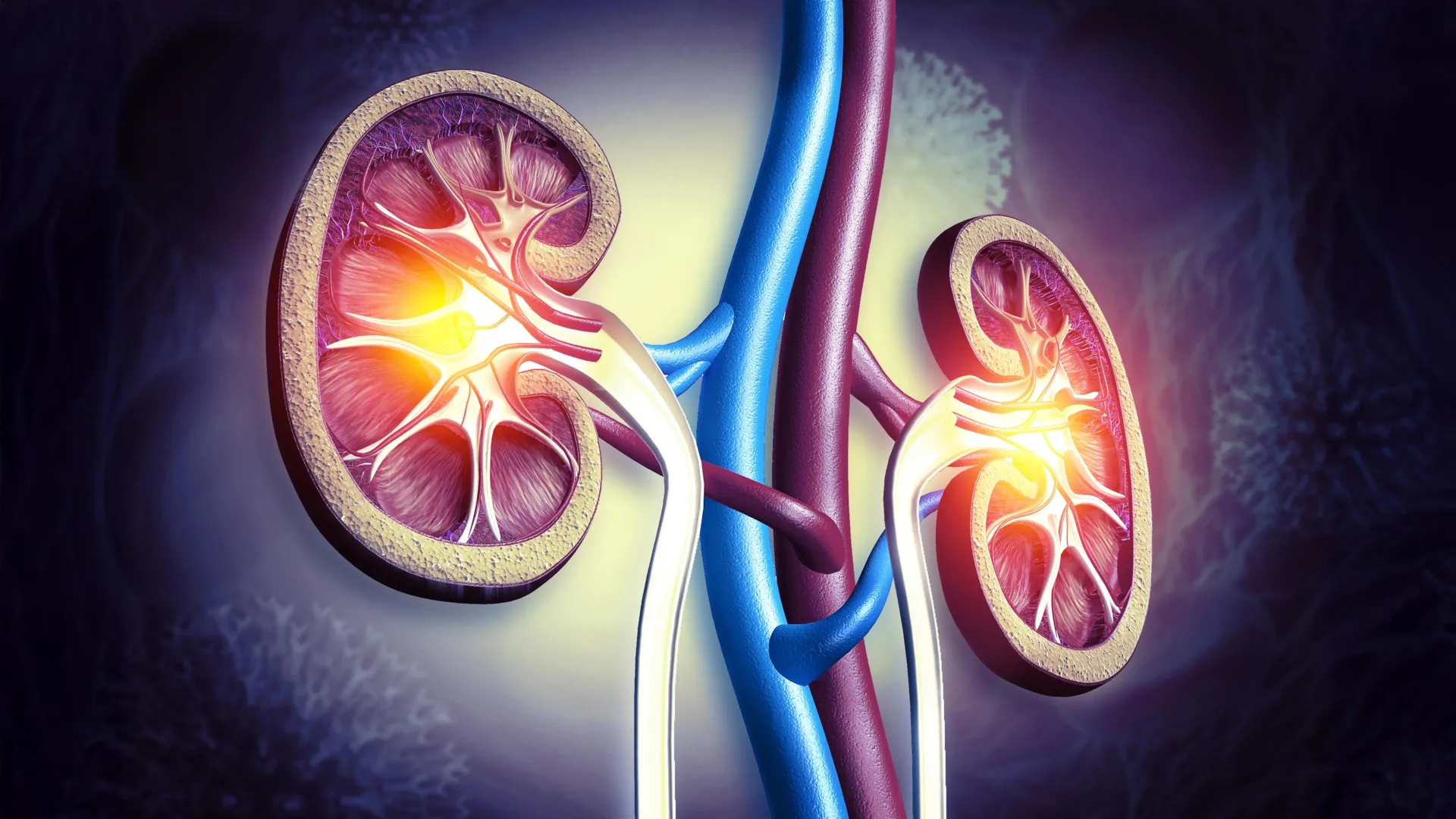
Lubiprostone, a medication routinely prescribed for constipation, slowed the progression of chronic kidney disease in a 150-patient clinical trial, researchers reported. The finding opens an unexpected therapeutic pathway for a condition affecting millions worldwide and often requiring dialysis.
The drug works through an indirect mechanism. Lubiprostone altered the gut microbiome of trial participants with moderate chronic kidney disease, increasing bacterial production of spermidine. This naturally occurring polyamine strengthens mitochondrial function and reduces inflammation in kidney tissue, protecting against further damage.
Chronic kidney disease represents a major public health burden. In advanced stages, it forces patients onto dialysis or requires kidney transplantation. Current treatments focus primarily on managing blood pressure and blood sugar levels, leaving doctors with limited options to slow disease progression itself. A therapy borrowed from gastroenterology could diversify the treatment arsenal.
The mechanism linking gut bacteria to kidney health reflects growing understanding of how the microbiome influences organ systems far beyond the digestive tract. Dysbiosis, or imbalanced bacterial communities, appears to accelerate kidney disease through multiple pathways. Lubiprostone reverses this pattern by promoting beneficial bacteria that produce protective metabolites.
The trial's 150-patient size qualifies as modest. Larger, multi-center studies are needed to confirm efficacy across diverse populations and to establish optimal dosing. Researchers must also determine whether the drug benefits patients with mild or advanced disease, not just moderate cases. Safety profiles require scrutiny over longer treatment periods.
This work originated from basic science observations linking spermidine to kidney health. Translating that bench discovery into clinical benefit demonstrates the value of pursuing mechanistic leads even when they emerge from unexpected directions. The finding that a constipation medication influences kidney disease illustrates how drug repurposing can accelerate progress on intractable conditions.
If larger trials replicate these