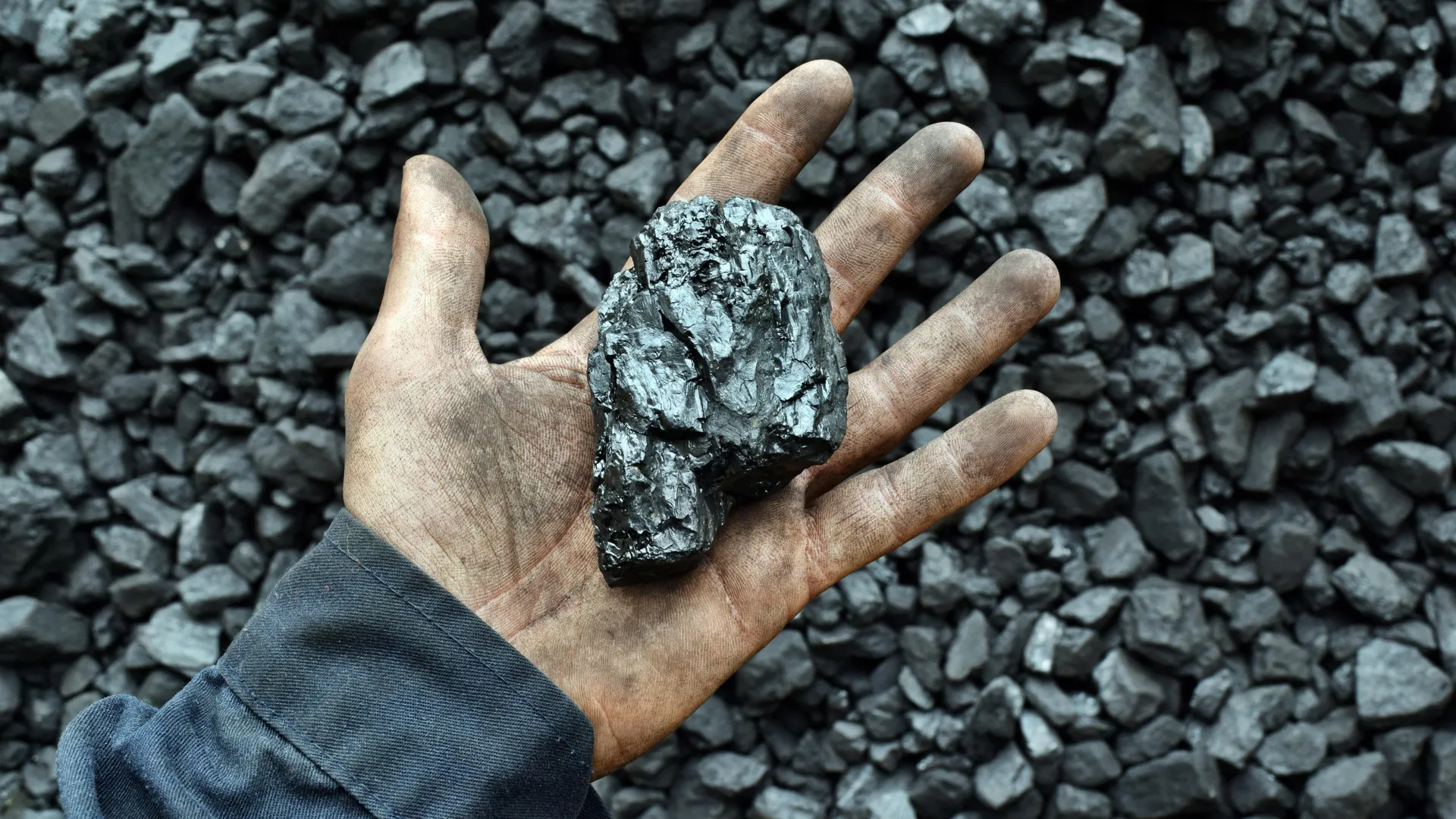
Cumberland, British Columbia is converting its defunct coal mines into a geothermal energy resource. Water pooled in abandoned tunnels underground will power a system to heat and cool buildings with near-zero emissions, according to the project proposal.
The initiative addresses a dual problem. Coal mining left behind extensive tunnel networks and flooded shafts filled with water that stays at stable temperatures year-round. Rather than treating these as environmental liabilities, Cumberland's planners recognized the thermal potential.
Geothermal heating and cooling systems exploit temperature differences between ground water and surface air. Water from the mine tunnels, maintained at consistent temperatures deep underground, transfers heat efficiently to buildings during winter and absorbs excess heat during summer. This cycle requires minimal electricity compared to conventional heating systems.
The project promises three concrete benefits. First, building owners reduce energy consumption and operating costs significantly. Second, lower infrastructure demands support new residential and commercial development without expanding electrical grid capacity. Third, the clean energy resource positions Cumberland as an attractive location for climate-conscious businesses relocating or expanding operations.
Cumberland's plan sits within a broader trend of adaptive reuse for abandoned industrial sites. Similar geothermal projects have emerged in post-industrial mining regions across North America and Europe, though Cumberland's scale and community integration remain noteworthy.
Limitations exist. The system's efficiency depends on water quantity, temperature stability, and extraction rates from mine tunnels. Engineering assessments must verify the viability of infrastructure modifications needed to connect underground water sources to above-ground building systems. Local geological surveys will determine whether the approach scales across the entire town or serves specific districts.
The project demonstrates how communities can leverage industrial heritage as climate infrastructure. Coal mining built Cumberland's economy for decades. Geothermal energy from those same mines now offers a pathway toward reducing carbon emissions while revitalizing the town's future.
THE TAKEAWAY: Abandoned coal mines represent untapped ge