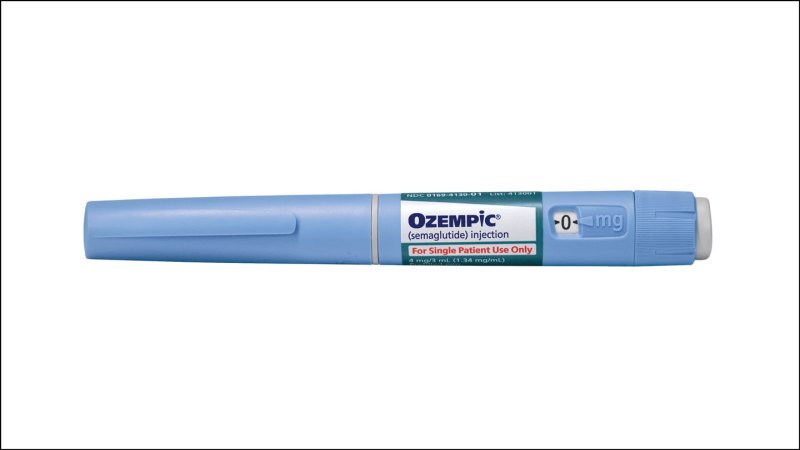
# Do GLP-1 Drugs Like Ozempic Prevent Cancer?
Ozempic and other GLP-1 receptor agonists have emerged as blockbuster medications for weight loss and diabetes management, but researchers are now investigating whether they offer protection against cancer as well. Early evidence points in multiple directions, leaving the question unresolved.
Several studies hint that GLP-1 drugs reduce cancer risk, particularly in patients with obesity and type 2 diabetes. These conditions independently elevate cancer incidence through mechanisms including chronic inflammation, insulin resistance, and hormonal imbalances. By improving metabolic health and reducing body weight, GLP-1 agonists could theoretically lower cancer risk by addressing these underlying drivers.
However, results remain inconsistent across different research groups and cancer types. Some studies show protective effects, while others detect no benefit or show mixed outcomes depending on the specific malignancy examined. This heterogeneity reflects fundamental challenges in cancer epidemiology. Cancer develops over decades, making it difficult to isolate the contribution of any single drug. Most current studies lack the long-term follow-up necessary to draw definitive conclusions about cancer incidence.
Additionally, many existing datasets conflate multiple variables. Patients taking GLP-1 drugs often receive other treatments, maintain improved lifestyles after weight loss, and undergo more frequent medical monitoring. These confounding factors complicate efforts to attribute cancer prevention solely to the medication itself.
The biological mechanisms remain incompletely understood. Beyond weight loss, GLP-1 receptors appear in tissues throughout the body, including the gastrointestinal tract and immune cells. Whether direct signaling through these receptors influences cancer development independent of metabolic improvement requires additional investigation.
Definitive answers await large-scale, long-term randomized controlled trials specifically designed to measure cancer outcomes. Currently, oncologists cannot recommend GLP