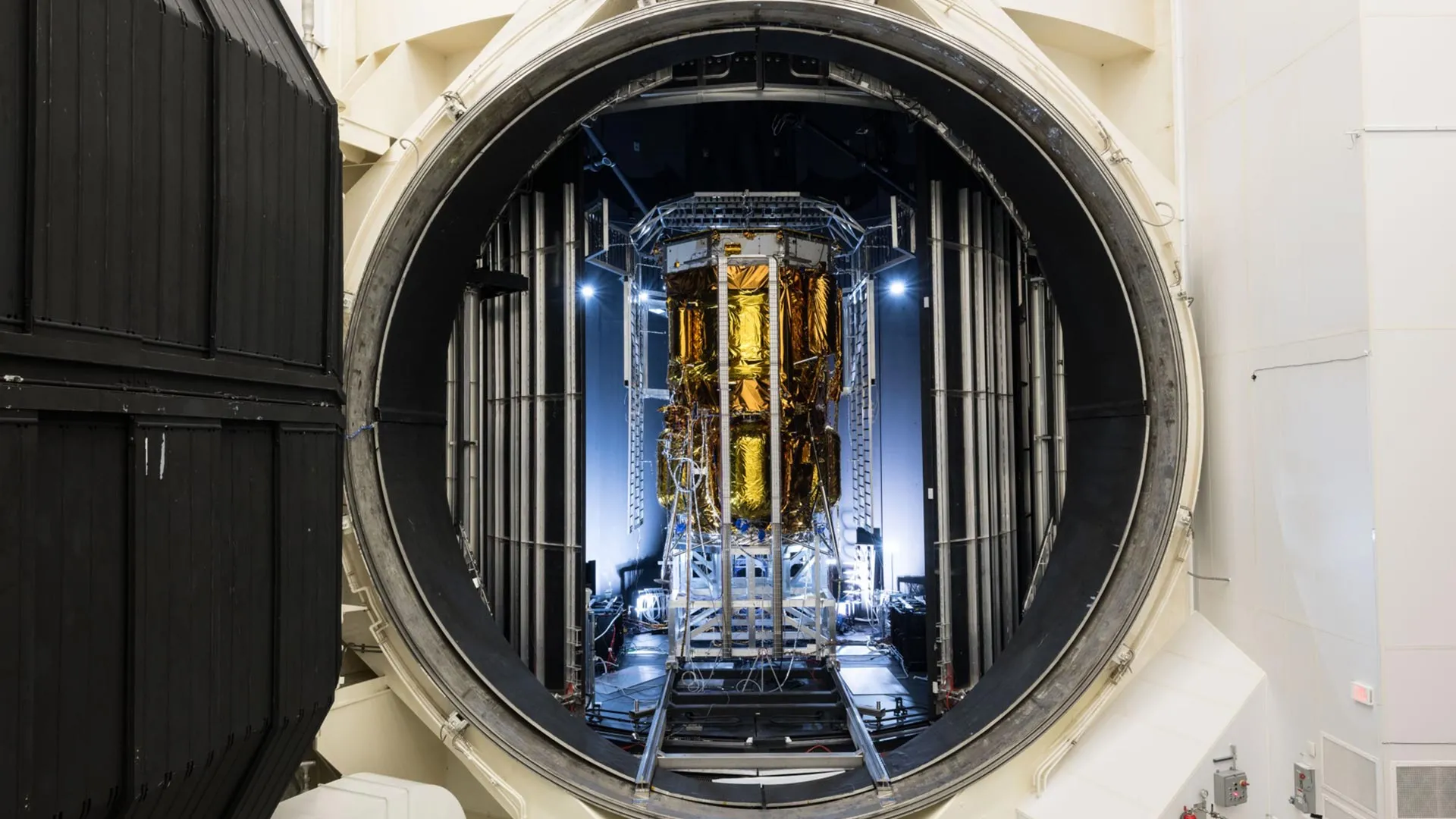
Blue Origin's MK1 "Endurance" lunar lander has cleared extreme environmental testing designed to simulate the harsh conditions of space and the Moon's surface. The uncrewed spacecraft, developed in partnership with NASA, completed qualification tests that exposed it to temperature swings, vacuum conditions, and vibrations mimicking rocket launch forces.
The lander targets precision landing on the lunar surface using autonomous navigation systems and advanced cryogenic propulsion technology. These capabilities form the foundation for future crewed missions under NASA's Artemis program, which aims to return humans to the Moon.
The MK1 will carry NASA-provided instruments to measure how rocket exhaust plumes interact with lunar dust and regolith, data critical for designing safer landing procedures and protecting sensitive equipment. Additional instruments will enhance orbital navigation accuracy, reducing landing uncertainties that plague current lunar operations.
Blue Origin designed the Endurance to operate in the Moon's extreme thermal environment, where surface temperatures swing from roughly 260 degrees Fahrenheit in sunlight to minus 280 degrees in shadow. The terrestrial testing regime verified the lander's systems can withstand these conditions and the mechanical stresses of launch and landing.
The partnership reflects NASA's strategy to leverage commercial contractors for lunar logistics and exploration infrastructure. Blue Origin joins other companies in the commercial lunar industry racing to demonstrate reliable surface access before crewed Artemis missions begin.
Success of the MK1 testing phase opens the path toward operational lunar cargo and crew delivery systems. NASA plans to integrate data from these uncrewed missions into requirements for future human landings, where precision, reliability, and autonomous systems will determine mission success and astronaut safety on the lunar surface.
THE BOTTOM LINE: Blue Origin's Endurance lander proves its core technologies can survive space's extremes, bringing NASA closer to sustained human lunar operations.