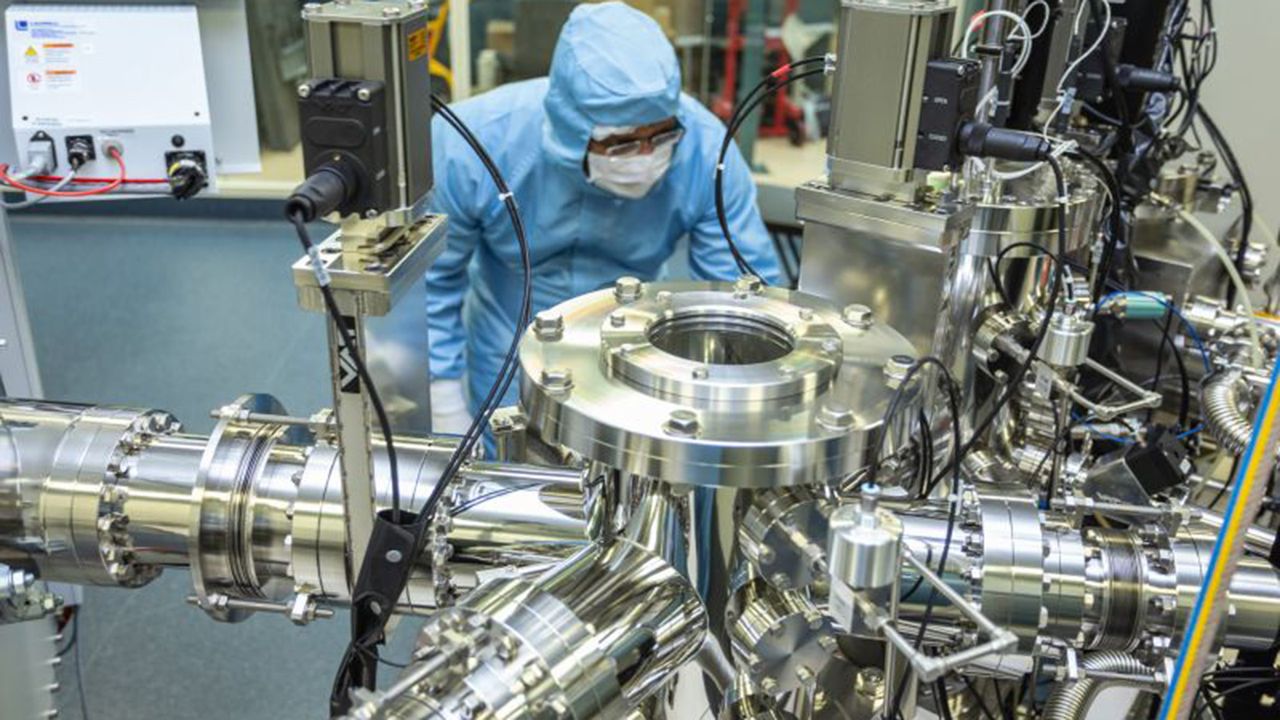
Researchers have demonstrated a quantum battery that charges in approximately one quadrillionth of a second using laser technology. The breakthrough suggests that scaled-up versions could retain power for years after just one minute of charging.
Quantum batteries exploit quantum mechanical principles to achieve energy densities far exceeding conventional batteries. Unlike traditional electrochemical cells, these systems use coherent quantum states to store and release energy with unprecedented efficiency. The laser-charging mechanism enables remote power transfer, eliminating the need for physical connections.
The current prototype represents a proof-of-concept for technology that could revolutionize energy storage. If larger iterations perform as predicted, quantum batteries could dramatically reduce charging times while extending operational lifespans. A device requiring one-minute charging to power equipment for years would represent a fundamental shift in portable energy.
The research builds on quantum information theory, where scientists have theorized that quantum systems could surpass classical battery limitations through entanglement and superposition. By directing focused laser pulses at quantum systems, researchers can coherently excite particles to higher energy states, storing charge in ways impossible with conventional chemistry.
Current limitations remain substantial. Prototypes operate at extremely small scales and require specialized laboratory conditions. Thermal stability and quantum decoherence, where quantum states collapse, present engineering challenges for practical deployment. Researchers must demonstrate that quantum batteries maintain charge density across larger systems and function reliably outside controlled environments.
The technology's timeline to commercialization remains uncertain. Quantum battery development parallels early work in quantum computing. Scaling from laboratory demonstrations to consumer-grade devices typically requires years of iterative engineering. Material science advances and improved quantum control methods will determine real-world viability.
Applications could span electric vehicles, renewable energy storage, and portable electronics if technical hurdles yield to engineering solutions. However, current versions remain experimental tools rather than ready replacements for lithium-ion technology. The remote charging capability offers particular promise for