A United Nations report has documented how extreme temperature fluctuations are destabilizing crop production and threatening agricultural workers globally, prompting a reassessment of food security beyond traditional development divides.
Environmental economist Shouro Dasgupta emphasizes that food insecurity now affects wealthy and developing nations alike. Climate volatility disrupts planting schedules, reduces yields, and creates labor hazards across all economic contexts. Temperature extremes damage crops during critical growth phases, while heat stress endangers workers in fields across North America, Europe, and Asia alongside traditional agricultural regions.
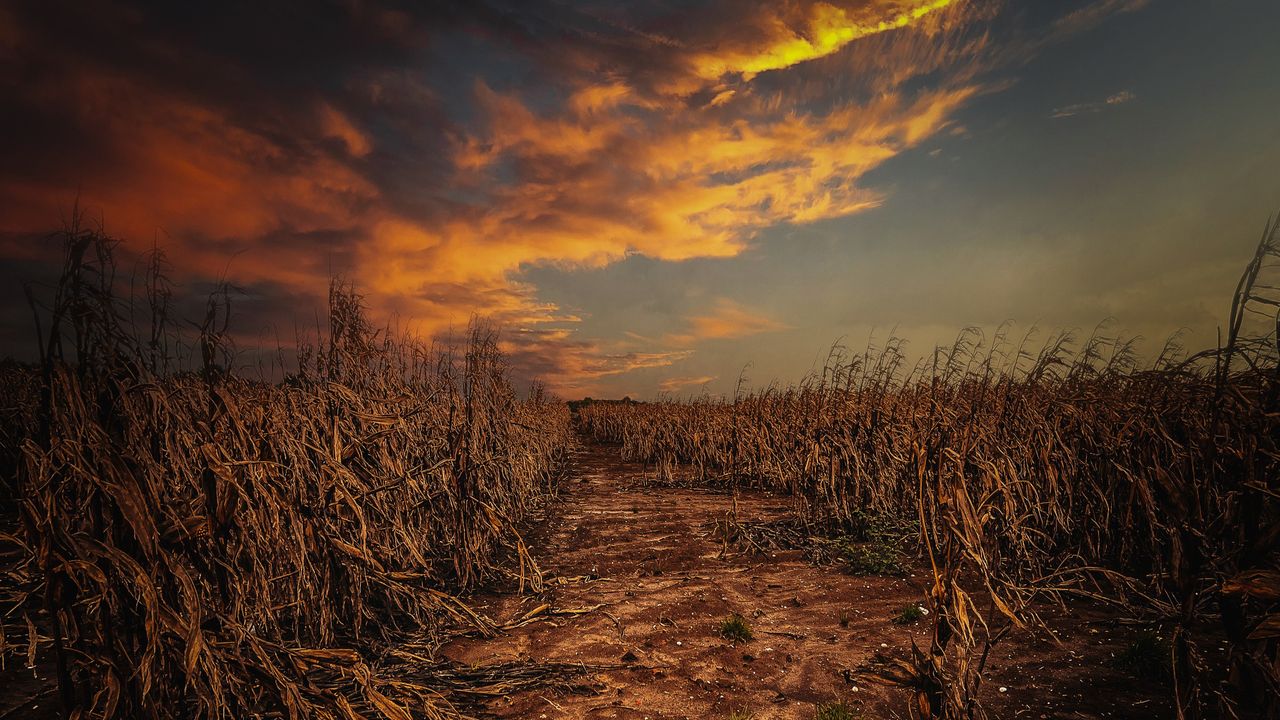
The U.N. findings challenge the assumption that food insecurity remains confined to low-income countries. Developed nations with advanced infrastructure and technology still face agricultural shocks when climate shifts exceed adaptation capacity. Wheat production in Russia and Ukraine, corn harvests in the American Midwest, and rice crops in Asia all experience losses during unprecedented heat or cold events.
Dasgupta points to the interconnected nature of global food systems. When major producers experience climate-driven disruptions, price spikes and supply chains ripple worldwide. Wealthy countries can absorb some price increases through purchasing power, but the cumulative effect reduces access across income levels.
The report highlights several mechanisms of climate damage. Pollinator populations decline during temperature extremes. Pest ranges expand into new regions. Soil moisture patterns shift unpredictably. Irrigation demands surge, straining water resources. Agricultural workers face heat exhaustion and reduced productivity at temperatures above 32 degrees Celsius.
Adaptation strategies remain uneven globally. Some countries invest heavily in drought-resistant crops and precision agriculture. Others lack resources for such transitions. Supply chain vulnerabilities compound the problem. A single region's crop failure can trigger shortages in distant markets.
The conversation with Dasgupta underscores that climate change transforms food security from a poverty issue into a systemic economic risk. Governments and