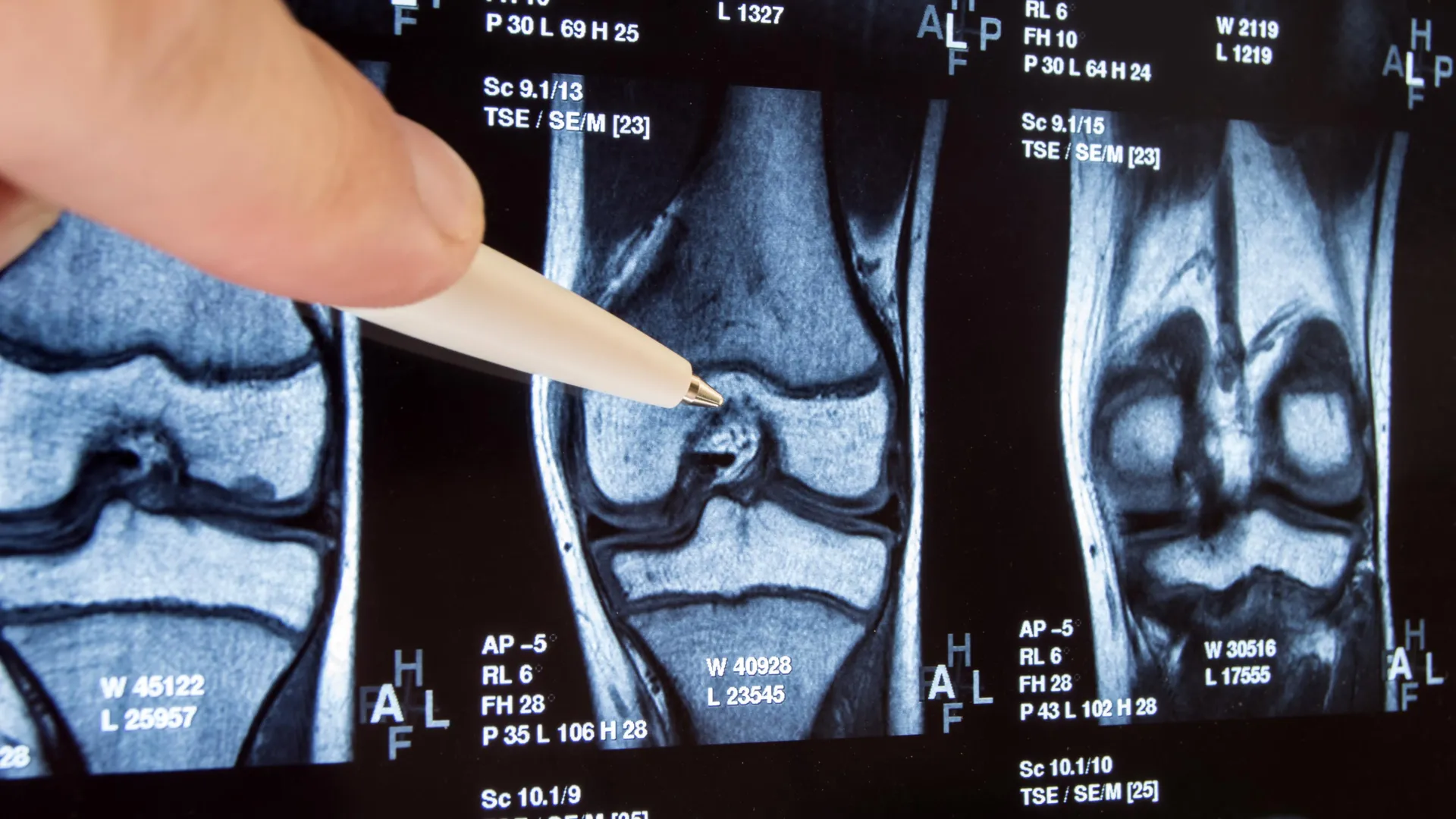
Researchers conducting a decade-long clinical trial have concluded that arthroscopic partial meniscectomy, one of the world's most frequently performed knee surgeries, provides no meaningful benefit over sham surgery and may actually accelerate deterioration. The study found that patients receiving the procedure to trim damaged meniscus cartilage experienced worse outcomes than controls, including increased symptoms, reduced function, accelerated osteoarthritis progression, and higher rates of subsequent surgical intervention.
The trial involved patients with degenerative meniscus tears, a common condition treated routinely in orthopedic practice. Surgeons randomized participants to either genuine arthroscopic surgery or placebo procedures where patients received anesthesia and incisions but no actual tissue removal. Over the 10-year follow-up period, the surgical group performed no better than the control group on pain and function measures. Unexpectedly, they deteriorated faster, suggesting the intervention may have harmed long-term joint health.
This finding contradicts decades of orthopedic practice. Meniscectomy ranks among the most commonly performed surgical procedures globally, generating billions in healthcare costs annually. Surgeons have traditionally believed that removing torn or degenerated meniscus tissue reduces mechanical symptoms and prevents further damage. The evidence now suggests the opposite occurs.
The results raise questions about the procedure's biological mechanisms. One possibility involves joint biomechanics. The meniscus distributes load across the knee joint and provides shock absorption. Removing it may increase stress on articular cartilage, accelerating degenerative changes that appear as osteoarthritis progression on imaging and in clinical symptoms.
The trial's strength lies in its randomized, controlled design and lengthy follow-up period. Placebo surgery studies carry ethical weight because researchers must demonstrate genuine clinical equipoise before subjecting some patients to sham procedures. This large, well-designed trial provides compelling evidence that