# Artemis 2 Astronauts Receive Media Spotlight Following Lunar Mission
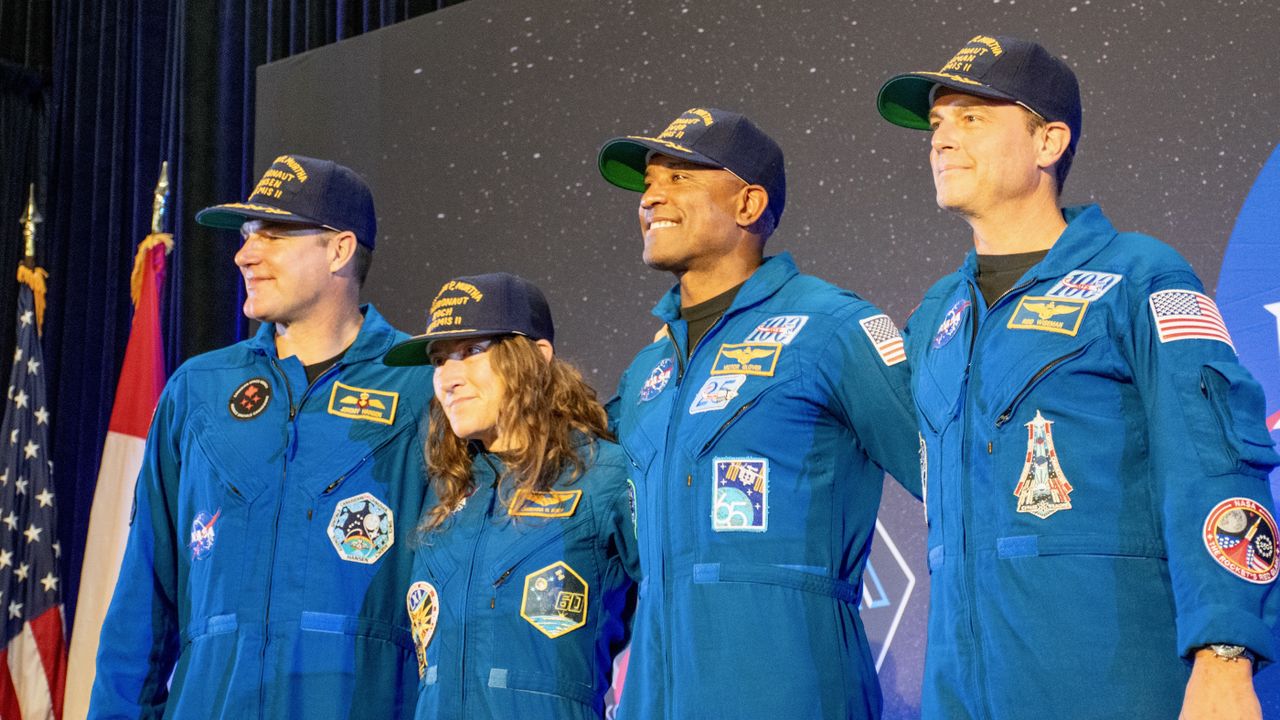
Artemis 2 astronauts are making rounds on major television networks following their historic moon mission, generating significant public attention despite the absence of a traditional parade.
The crew members, who recently completed NASA's second crewed lunar mission under the Artemis program, are conducting interviews across major broadcast outlets. This media tour reflects the space agency's effort to highlight the accomplishment and maintain public engagement with lunar exploration efforts.
Artemis 2 represents a critical step in NASA's broader lunar program. The mission follows Artemis 1, an uncrewed test flight in 2022, and paves the way for Artemis 3, which aims to land astronauts on the lunar surface. The crew's successful completion of the mission demonstrates progress toward the agency's goal of establishing sustainable human presence on the moon.
The astronauts' visibility on television networks serves multiple purposes. It educates the public about the mission's scientific achievements and technical accomplishments. It also builds momentum for future lunar missions by demonstrating tangible progress in space exploration.
The mission included detailed testing of systems and procedures that will be used in subsequent lunar landing missions. Astronauts conducted experiments and gathered data that will inform future mission planning.
NASA has historically used media appearances by astronauts to sustain public interest in space programs. This approach proves particularly valuable when seeking congressional support for funding and when recruiting talent for future missions.
The lack of a traditional ticker-tape parade does not diminish the astronauts' accomplishment. Instead, the modern approach of television interviews and digital media reaches broader audiences than parades could achieve, particularly among younger demographics who may represent future space program participants.
THE TAKEAWAY: Television appearances by Artemis 2 astronauts keep public attention on NASA's lunar goals while building support