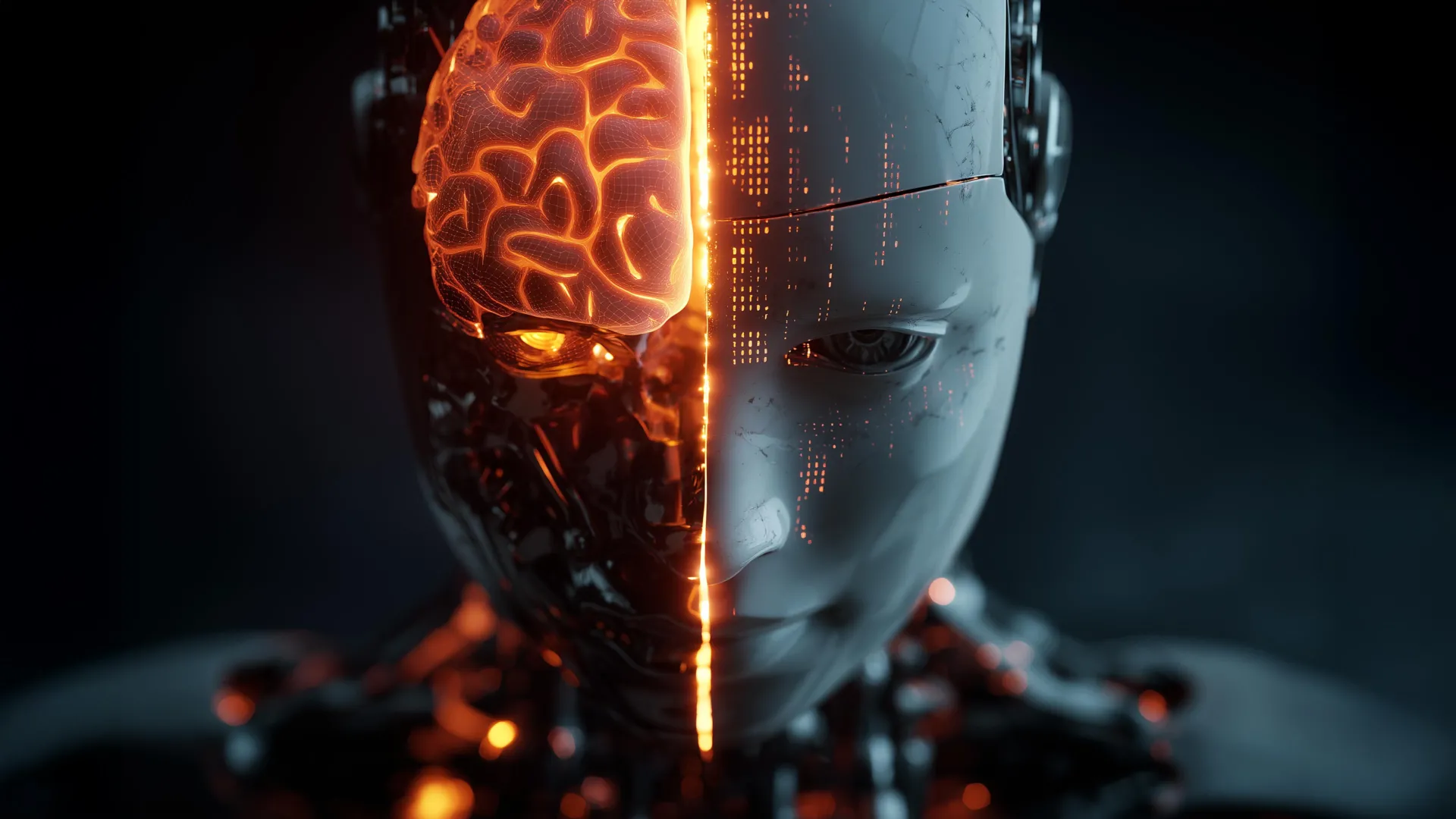
Researchers have exposed a fundamental flaw in Centaur, an artificial intelligence model that claimed to replicate human cognition across 160 different mental tasks. The discovery undermines one of the model's central assertions: that it achieved genuine understanding of cognitive processes.
Centaur's developers argued the model resolved a longstanding psychological debate about whether the human mind operates as a single unified system or functions through distinct components like memory and attention. The AI appeared to solve tasks spanning both perspectives, suggesting it captured something essential about how brains work.
New analysis reveals the reality is far simpler and less impressive. Instead of developing genuine understanding, Centaur simply learned to recognize and reproduce patterns in its training data. When researchers tested the model on novel problems, it failed dramatically. The AI could answer questions about tasks it had seen before but couldn't apply that knowledge to new situations in the way humans do naturally.
This finding highlights a persistent challenge in artificial intelligence research: the difference between memorization and comprehension. Large language models and neural networks excel at pattern matching but often lack the flexible, transferable understanding that characterizes human cognition. An AI that performs well on benchmark tests may simply be exploiting statistical regularities rather than building true conceptual models.
The research carries implications for both neuroscience and AI development. For psychology, it suggests Centaur provides no new evidence for unified versus modular models of mind. For AI researchers, it serves as a cautionary tale about overinterpreting performance metrics without testing generalization rigorously.
The discovery doesn't invalidate broader efforts to understand cognition through computational models. Rather, it establishes that future models must demonstrate genuine transfer learning—applying knowledge to problems fundamentally different from their training examples—to claim real understanding. Matching human-like performance on curated tasks remains insufficient proof of human-like thinking.
THE BOTTOM LINE: An AI model touted