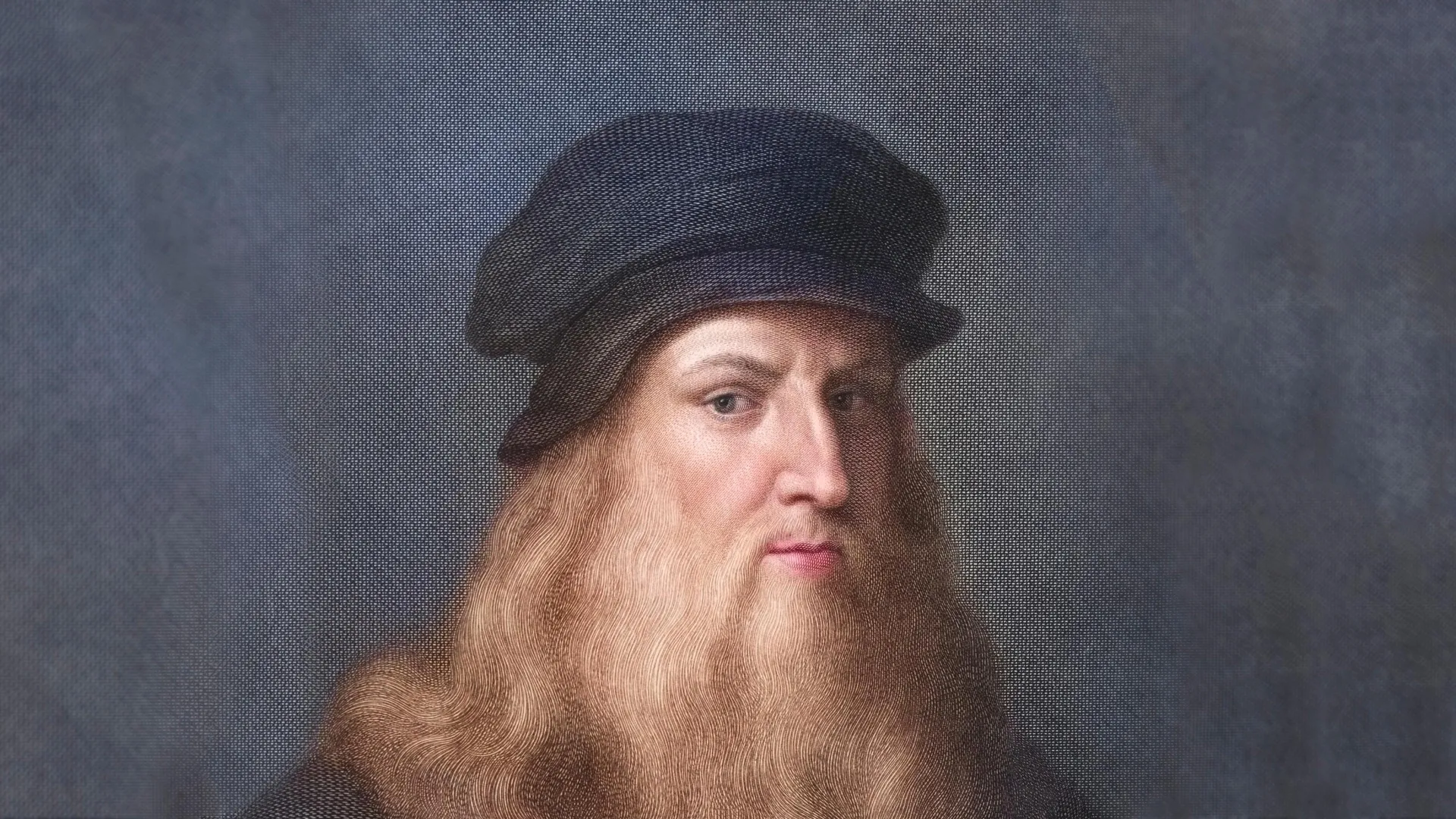
Scientists are reconstructing Leonardo da Vinci's genetic profile through an unprecedented family study spanning three decades. Researchers mapped the Renaissance master's lineage across 21 generations and identified living male descendants who carry DNA markers traceable to da Vinci himself. The work represents the first systematic genetic investigation of one of history's most celebrated figures.
The study involved extensive genealogical research to establish biological connections between da Vinci and contemporary descendants. Confirmation of shared DNA markers provides direct evidence linking modern individuals to the 15th-century artist and inventor. This breakthrough opens new avenues for understanding the biological basis of his exceptional cognitive abilities.
Excavations at a family tomb in Vinci, Italy, could yield ancient skeletal remains for direct comparison with living descendants. Such remains would enable researchers to construct a more complete genetic portrait, potentially revealing inherited traits related to vision, spatial reasoning, or other capacities that contributed to da Vinci's remarkable achievements in art, engineering, and anatomy.
The project carries limitations. Genetic inheritance patterns cannot fully explain genius or creativity. Historical records indicate da Vinci was illegitimate, the son of a notary and a peasant woman, complicating straightforward lineage tracing. Additionally, genetic factors interact with environment, education, and opportunity in ways that remain poorly understood.
Understanding da Vinci's genetics addresses broader questions about whether exceptional abilities cluster in families or emerge unpredictably. The research could reveal whether certain cognitive traits appeared heritable across generations. It may also illuminate how Renaissance Florence's cultural milieu shaped and supported extraordinary talent.
The 30-year effort demonstrates how modern genomics allows investigation of historical figures previously knowable only through documents and artwork. While reconstructing da Vinci's full genetic sequence remains uncertain, the combination of genealogical mapping and potential ancient DNA extraction positions researchers to address questions about nature versus nurture in human achievement that have fasc