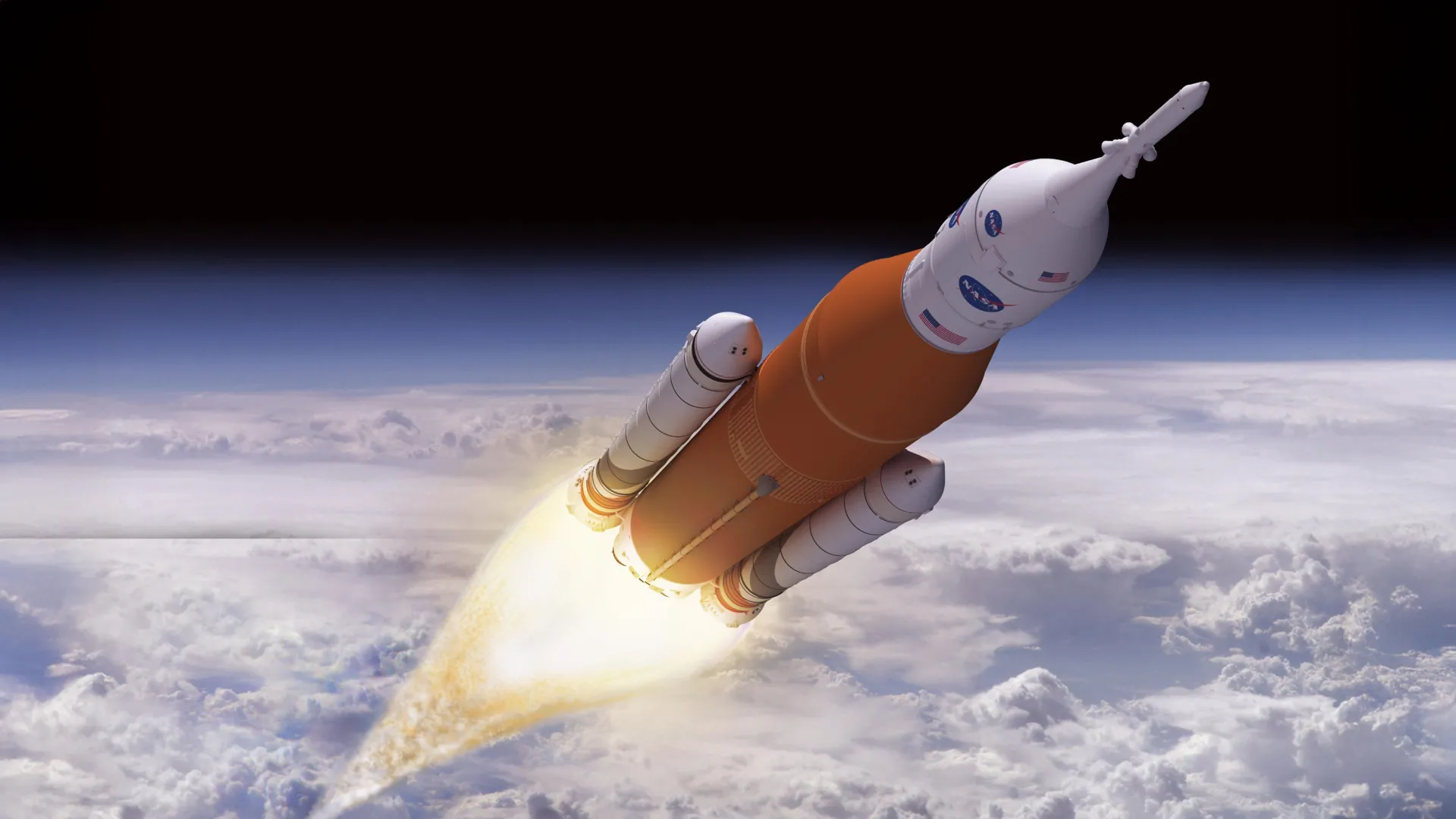
NASA moved forward with lunar exploration after Artemis II demonstrated that its deep space hardware performs reliably at mission-critical moments. The uncrewed test flight validated the Orion spacecraft's heat shield during high-speed atmospheric reentry, a fundamental requirement for carrying astronauts safely back from the Moon. The spacecraft landed with precision accuracy in the Pacific Ocean, meeting NASA's exacting standards for crew safety.
The Space Launch System rocket performed flawlessly, achieving the precise trajectory needed for lunar missions. Launch pad infrastructure upgrades at Kennedy Space Center also proved their worth, sustaining minimal damage despite the immense forces from the SLS's powerful liftoff. These improvements represent years of engineering refinement across multiple NASA centers and contractors.
The Artemis II success removes a major technical hurdle for Artemis III, scheduled for the mid-2020s. That crewed mission will land astronauts near the Moon's south polar region, where water ice deposits offer resources for future exploration. NASA identified only minor issues requiring attention before the next flight, suggesting the program's core systems have matured beyond early developmental stages.
The program carries budget pressures and schedule challenges. Artemis III's timeline has slipped repeatedly, and costs have climbed significantly since the program's inception. However, Artemis II's validation of heat shield performance and landing precision addresses two of the most technically demanding aspects of human Moon missions.
Beyond Artemis III, NASA plans sustained lunar operations through the Artemis program, ultimately supporting deep space infrastructure development. The demonstrated reliability of Orion and the SLS establishes the foundation for this broader vision, though questions remain about long-term funding and international partnership structures.
WHY IT MATTERS: Artemis II's successful validation of critical spacecraft systems clears the path for humans to return to the Moon for the first time in over 50 years, opening new chapters in planetary science