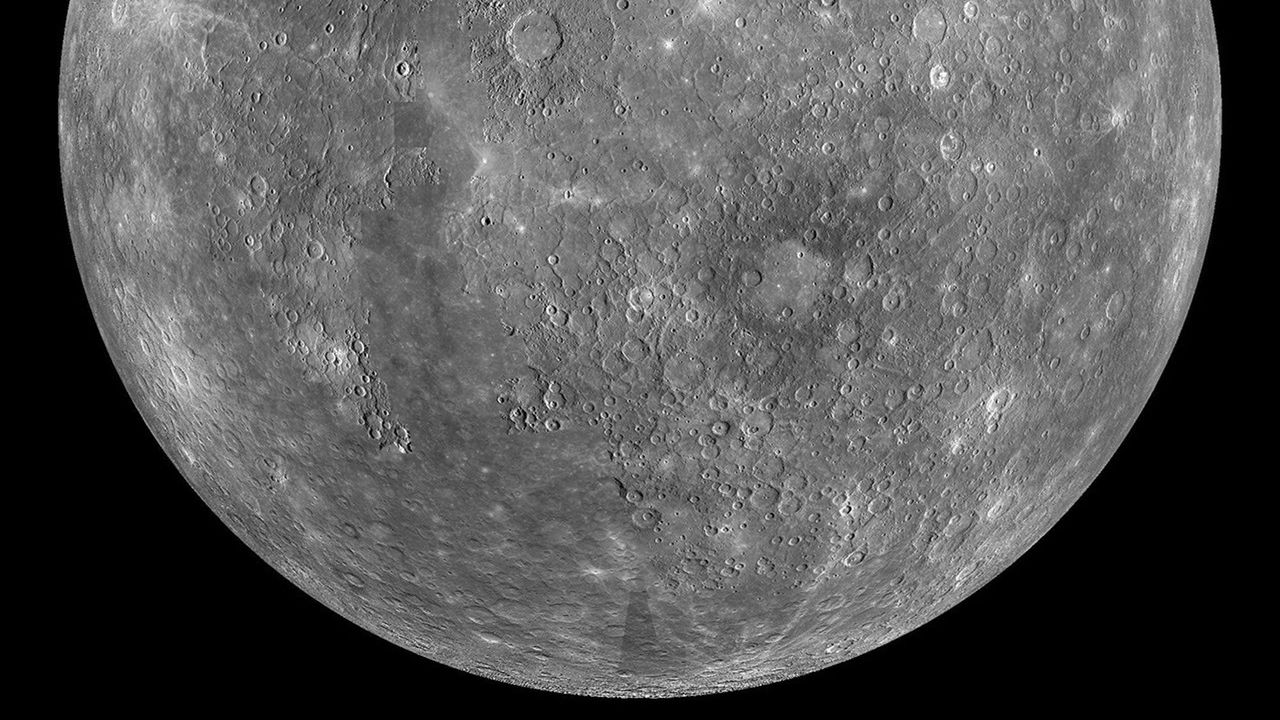
Astronomers using the James Webb Space Telescope have directly observed and analyzed the surface of an exoplanet for the first time in astronomical history. The planet, a super-Earth located beyond our solar system, shows characteristics of a dark, hot, barren rock with no atmosphere, researchers found.
The observation represents a breakthrough in exoplanet science. Previous studies of distant worlds relied on indirect methods, measuring how starlight filtered through an exoplanet's atmosphere or analyzing heat signatures from orbit. Direct surface analysis was considered technically impossible until now.
The team detected thermal emissions radiating directly from the planet's surface using Webb's infrared instruments. By measuring variations in heat across different regions of the world, scientists mapped surface features and temperature differences. The planet's dark surface suggests either composition rich in iron oxides or other light-absorbing minerals.
Researchers compared the exoplanet to Mercury in our solar system. Both worlds orbit extremely close to their stars, producing scorching surface temperatures. Both appear to lack substantial atmospheres. The lack of an atmosphere means the surface directly radiates heat into space with no insulating blanket to trap warmth.
This observation opens new avenues for exoplanet research. Scientists can now potentially study surface composition, detect volcanic activity, and map temperature variations on distant worlds. The technique requires exceptionally bright planets orbiting close to their host stars, limiting immediate applications. However, technological advances may extend these capabilities to smaller, fainter worlds.
The James Webb Space Telescope's unprecedented infrared sensitivity made this discovery possible. Launched in December 2021 and positioned at the Sun-Earth Lagrange point 2, Webb observes the universe with 25 times greater light-collecting power than the Hubble Space Telescope.
Future observations could reveal whether such barren super-Earths represent a common planetary class or remain unusual outliers. Understanding diverse ex