# Ancient Roman Souvenir Cup Reveals Personal Stories of Hadrian's Wall
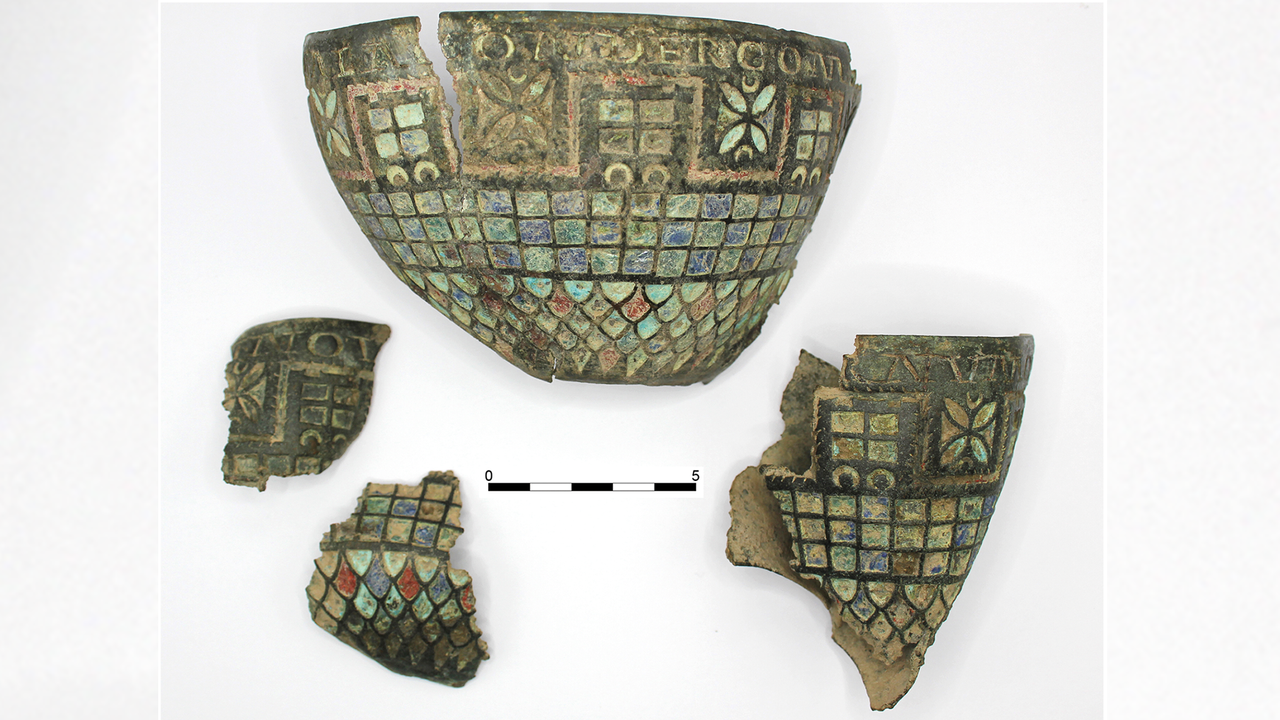
Archaeologists have identified a broken bronze cup discovered in Spain as a 1,900-year-old souvenir depicting Hadrian's Wall and Roman forts in northern England. The artifact likely belonged to a soldier stationed along the famous defensive structure.
The cup bears engravings of the wall and fortifications, marking it as a memento from one of Rome's most significant frontier posts. Such decorated vessels served soldiers as personal keepsakes, similar to modern tourist merchandise. This particular example traveled from Britain to Spain, suggesting the soldier either relocated during his military career or the cup changed hands through trade or inheritance.
Hadrian's Wall, constructed around 122 CE under Emperor Hadrian, stretched approximately 73 miles across northern England. Roman military personnel rotated through postings at various forts along the wall, making souvenirs like this cup common items among soldiers seeking to commemorate their service.
The vessel's journey from Britain to Spain provides insight into military mobility and personal connections across the Roman Empire. Soldiers frequently moved between provinces, and such objects traveled with them as reminders of previous assignments and fellow soldiers.
The discovery adds to our understanding of daily life for ordinary Roman soldiers. While grand inscriptions and official records document military history, personal artifacts like this cup reveal how individual soldiers commemorated their experiences. The decoration suggests the item held sentimental value rather than practical purpose.
Bronze cups of this type typically date to the second century CE, placing this artifact during the height of Hadrian's Wall's occupation. The deteriorated condition indicates centuries of burial in Spanish soil, yet the engravings remain visible enough to identify the depicted structures.
Researchers continue analyzing the cup's precise iconography to determine which specific forts are represented. Such details could eventually establish a more precise timeline for the artifact and potentially identify