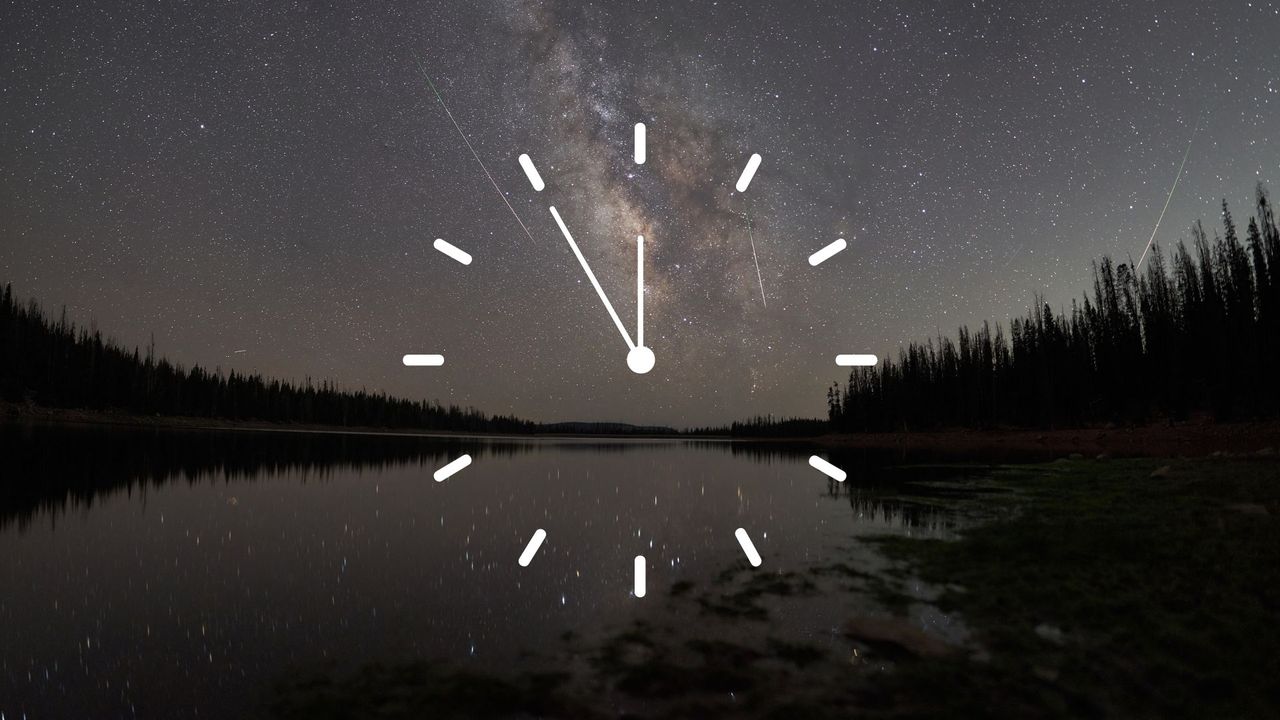
The Eta Aquarid meteor shower reaches peak activity this week, offering skywatchers a chance to observe dozens of meteors per hour under ideal conditions. The shower occurs annually when Earth passes through debris left behind by Halley's Comet as it orbits the sun.
Viewing conditions vary significantly depending on location and timing. Observers in the Southern Hemisphere typically see stronger displays than those in the Northern Hemisphere because the radiant point of the shower sits closer to the southern sky. Peak viewing occurs in the hours just before dawn, when the radiant point climbs highest above the horizon.
The Eta Aquarids produce meteors with speeds around 41 miles per second, making them particularly bright and leaving visible trails across the sky. Under optimal conditions free from light pollution, observers can spot 40 to 60 meteors per hour at peak. Urban and suburban areas with significant light pollution reduce counts dramatically.
Weather plays a decisive role in success. Clear skies are essential. Cloud cover blocks the view entirely. Checking local forecasts helps identify the best nights during the shower's active window.
For Northern Hemisphere observers, the shower remains visible but weaker, typically producing 10 to 20 meteors per hour at best. The radiant sits low on the horizon, limiting visibility and brightness. Traveling to darker locations away from city lights improves chances substantially.
Timing matters. The shower peaks around 3 to 5 a.m. local time when the radiant reaches maximum height. Arriving before midnight yields minimal results. Most meteors burn up at altitudes between 50 and 80 kilometers above Earth's surface, creating the streaking light patterns visible from the ground.
No special equipment is needed. Eyes adjust to darkness within 20 to 30 minutes, allowing better detection of fainter meteors. Telescopes and