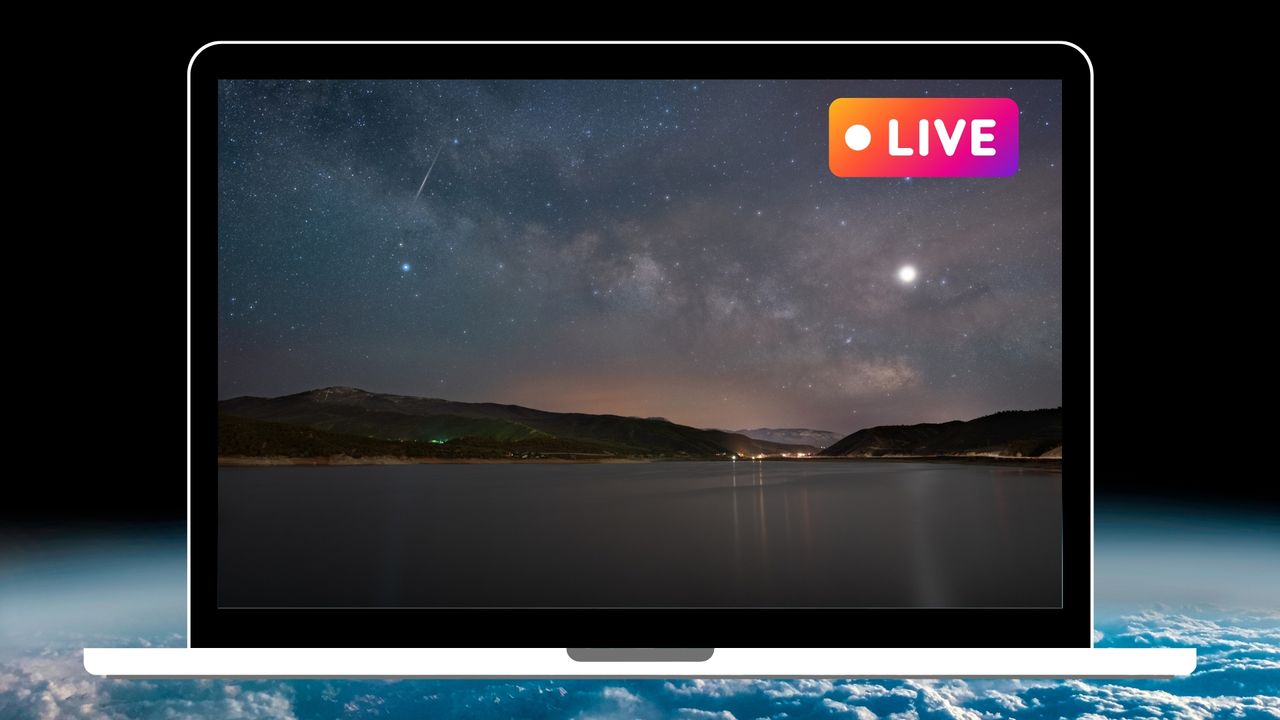
The Eta Aquarid meteor shower, produced by debris from Halley's Comet, peaks this week and will be visible through multiple free livestreams from observatories and sky cameras worldwide. Space.com reports that viewers unable to access clear skies can watch the meteors online in real time from various locations.
The Eta Aquarids occur annually when Earth passes through the orbital path of Halley's Comet, which last visited the inner solar system in 1986 and won't return until 2061. During peak activity, observers in dark skies can typically see 10 to 20 meteors per hour, though rates vary by location and time of observation.
Several organizations broadcast live footage during the peak nights. Virtual Telescope Project, based in Italy, operates 24-hour sky cams that capture meteor activity. Other platforms including Space.com's own livestream partnerships and international observatories provide alternative viewing options. These streams allow people in cloudy regions, urban areas with light pollution, or those with limited mobility to experience the shower without traveling.
The best viewing window opens after midnight local time, when the radiant point in the constellation Aquarius reaches its highest position in the sky. Observers should allow 20 to 30 minutes for their eyes to adapt to darkness before counting meteors. The shower remains active through May 27, though activity gradually declines after the peak.
Livestream quality depends on camera equipment and weather conditions at broadcast locations. Some streams include commentary from astronomers explaining what viewers observe. For those with clear skies and binoculars or telescopes, direct observation remains the preferred method, but livestreams provide an accessible alternative for monitoring this annual celestial event.
WHY IT MATTERS: The livestreams democratize access to meteor showers, allowing people regardless of weather, location, or physical ability to