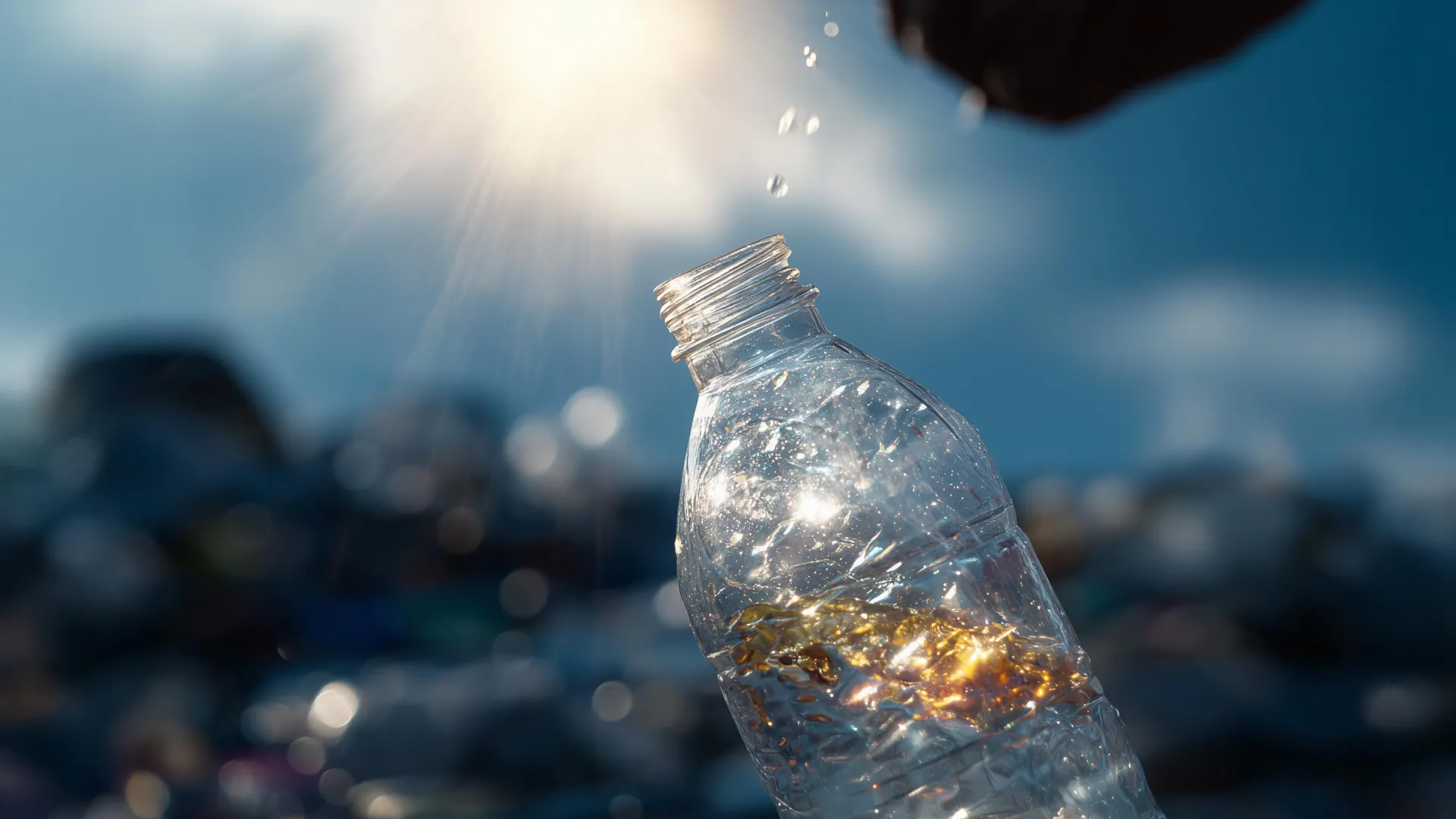
Researchers have developed a method to convert plastic waste into hydrogen fuel using solar energy, addressing two environmental problems simultaneously. The process harnesses sunlight to break down discarded plastics and generate clean hydrogen, which burns without carbon emissions and can power vehicles, homes, and industry.
The technique remains experimental but shows promise for reducing landfill waste while producing renewable energy. Plastic accumulation presents a global crisis, with millions of tons entering oceans and landfills annually. Hydrogen fuel offers an alternative to fossil fuels, though current production methods typically rely on natural gas and generate significant carbon dioxide.
This hybrid approach tackles both issues. By converting plastic waste into hydrogen through solar-driven chemical reactions, researchers could create a circular economy where garbage becomes a fuel feedstock. The energy comes free from the sun, eliminating fossil fuel dependence during the conversion process.
Current challenges include scaling the technology from laboratory prototypes to industrial production and improving conversion efficiency. The process must compete economically with existing hydrogen production methods and established waste management systems. Researchers must also ensure the approach works with mixed plastics of varying composition and degradation.
Several academic teams and institutions are pursuing similar research pathways. Their work builds on advances in photocatalysis, where specially designed materials accelerate chemical reactions when exposed to light. Scientists continue refining catalyst materials to increase hydrogen yield and reduce processing time.
Timeline for commercialization remains unclear. Most experts estimate five to ten years before pilot industrial facilities could emerge, assuming continued funding and technical breakthroughs. Initial applications would likely target industrial hydrogen markets rather than direct consumer use.
The approach represents one of several emerging solutions to plastic pollution, alongside chemical recycling, enzyme-based degradation, and mechanical reprocessing. Combined strategies will likely prove necessary to manage the global plastic crisis. If the technology matures, converting waste plastic into fuel could provide municipalities with a revenue stream while reducing energy sector emissions.
WH