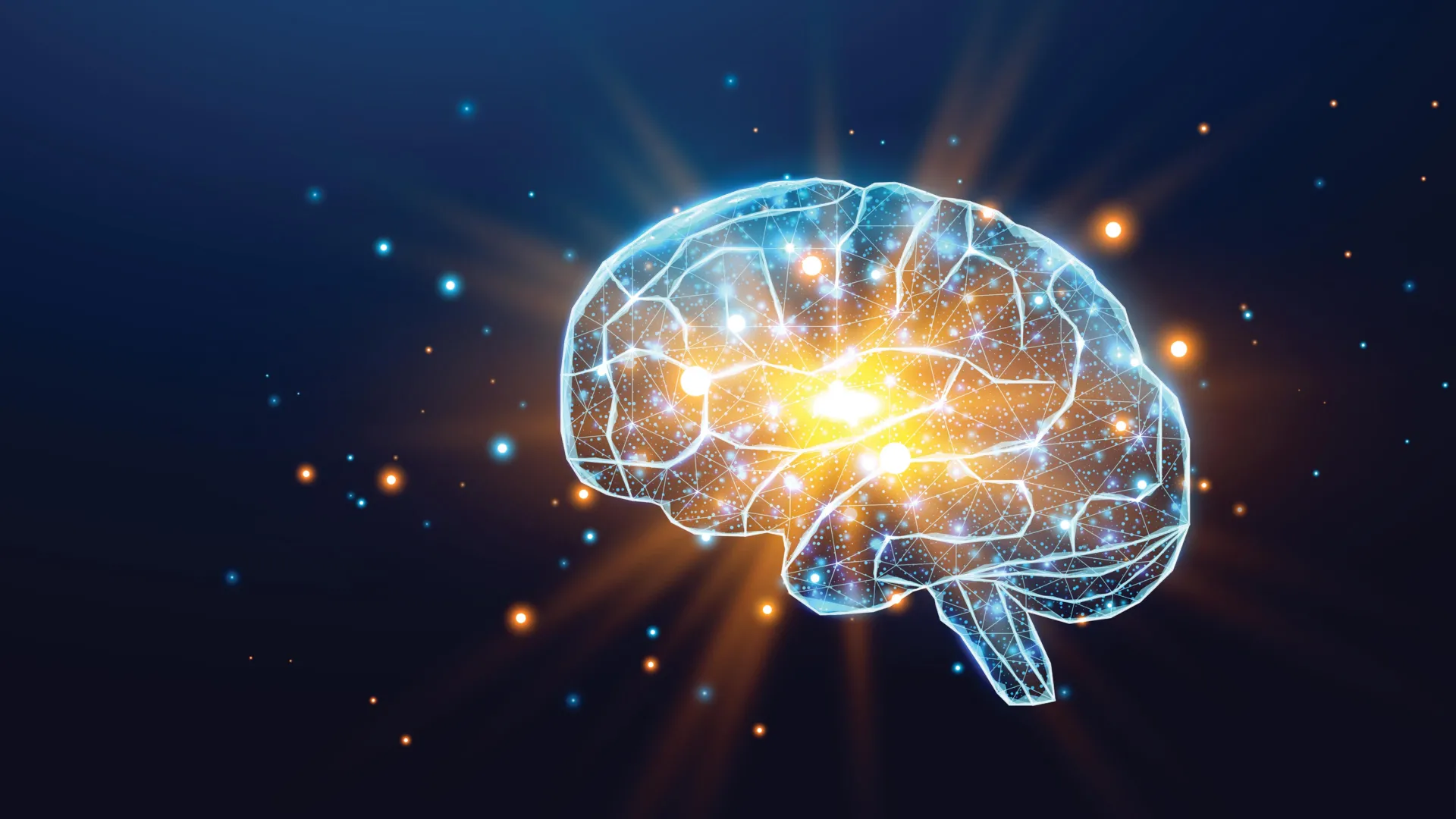
Creatine supplements offer benefits that extend well beyond the biceps and triceps. The compound, naturally synthesized in the body, functions as a rapid regenerator of adenosine triphosphate (ATP), the primary energy currency that powers muscle contractions, brain function, and cardiac activity during periods of high demand.
Research demonstrates that creatine supplementation enhances performance in short, intense physical efforts, a finding well-established in sports science. More recent investigations reveal cognitive benefits. Studies show creatine can improve memory, mood regulation, and cognitive processing speed, particularly in individuals whose baseline creatine levels are naturally low.
The mechanism works through ATP regeneration. During intense activity, muscles and brain cells rapidly deplete ATP stores. Creatine phosphate donates its phosphate group to replenish ATP quickly, sustaining energy production during explosive movements or demanding mental tasks. This process happens faster than other metabolic pathways can generate fresh ATP.
The cognitive findings emerge from research examining populations with lower endogenous creatine production. Vegetarians, vegans, and some individuals with genetic variations in creatine synthesis show measurable improvements in memory and processing speed when supplementing. The effect size remains modest but consistent across multiple studies.
These discoveries reshape how scientists view creatine beyond athletics. Brain cells, like muscle cells, require rapid ATP regeneration during periods of cognitive load. The heart, constantly contracting, also benefits from more efficient energy availability. This explains why creatine appears to support cardiovascular function in addition to skeletal muscle performance.
Important limitations exist. Individual responses vary based on baseline creatine levels, genetics, and diet composition. Vegans and vegetarians show larger cognitive gains than omnivores, who obtain dietary creatine from meat. Additionally, most cognitive studies involved small sample sizes, and long-term effects on brain function remain incompletely characterized.