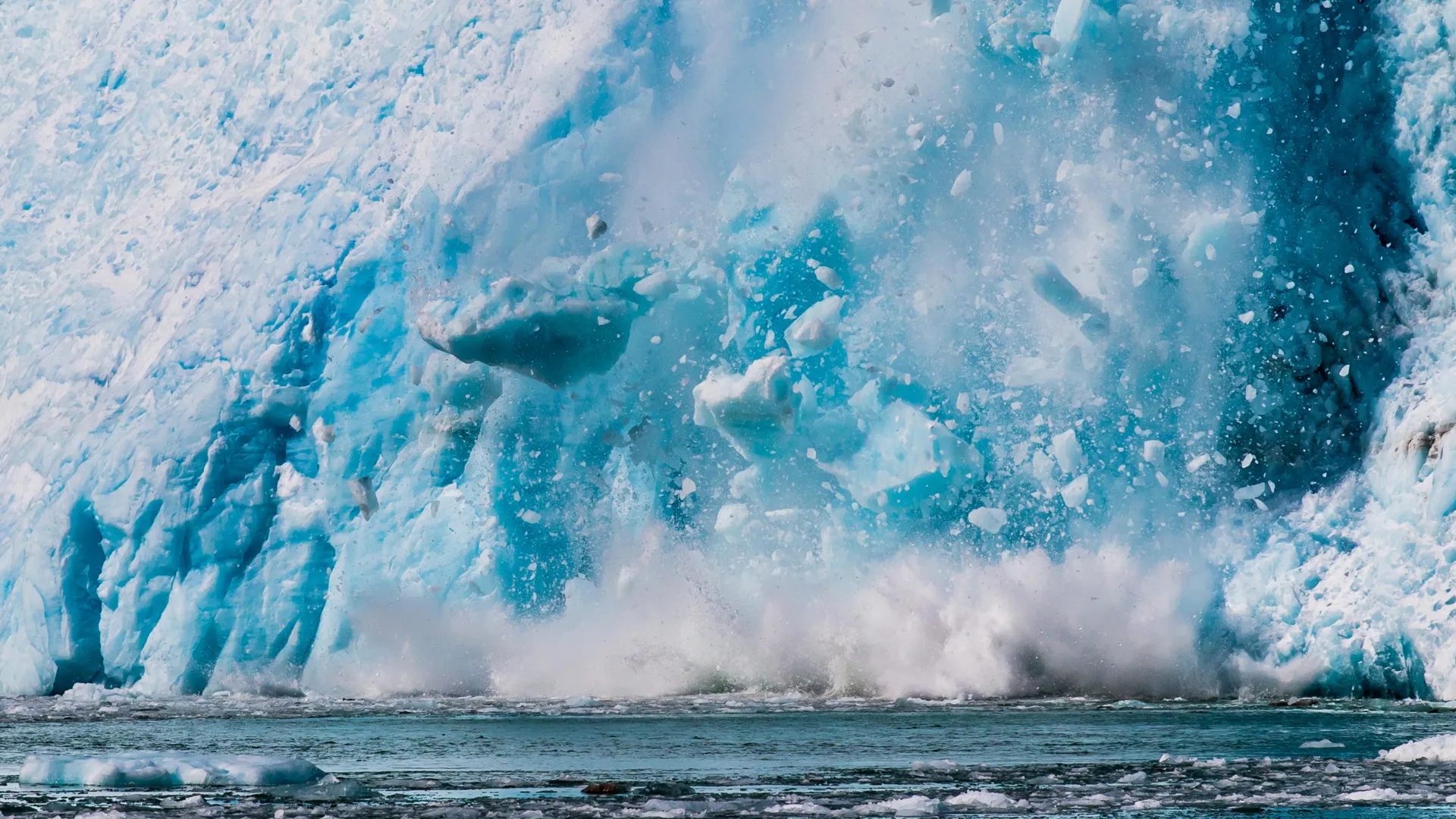
Greenland's ice sheet is melting at unprecedented rates, with meltwater production surging sixfold since 1990. Extreme melting events have become more frequent, widespread, and intense in recent years, alarming climate scientists studying the region.
Warming temperatures are driving these episodes beyond what natural climate variability would produce. Most record-breaking melt events have clustered in the past decade, indicating acceleration rather than cyclical patterns. The ice sheet, which covers about 80 percent of Greenland and contains enough water to raise global sea levels by roughly 7 meters, serves as a critical indicator of planetary warming.
The research builds on decades of satellite monitoring and field observations. Scientists track surface melt extent, meltwater runoff, and ice discharge into the ocean. Recent analyses show that extreme melt days—when unusually large areas of the ice sheet experience surface melting simultaneously—have become routine. In the 1990s, such events occurred roughly once per decade. Now they happen multiple times yearly.
This acceleration matters because the ice sheet's stability depends on the balance between snowfall accumulation and ice loss. As melt intensifies, that balance tilts dangerously. Meltwater cascading into ocean basins raises sea levels directly and lubricates glaciers, allowing them to slide faster into the sea.
The consequences ripple globally. Greenland's ice loss accounts for roughly one-quarter of current sea level rise worldwide. Coastal communities from New York to Bangladesh face escalating flood risks. Moreover, freshwater from Greenland discharge disrupts Atlantic ocean circulation patterns that regulate European and North American climates.
Scientists stress that atmospheric warming is the primary driver. Rising temperatures extend the melt season, increase the area where melting occurs, and intensify daily melt rates. While natural variability continues to modulate year-to-year fluctuations,