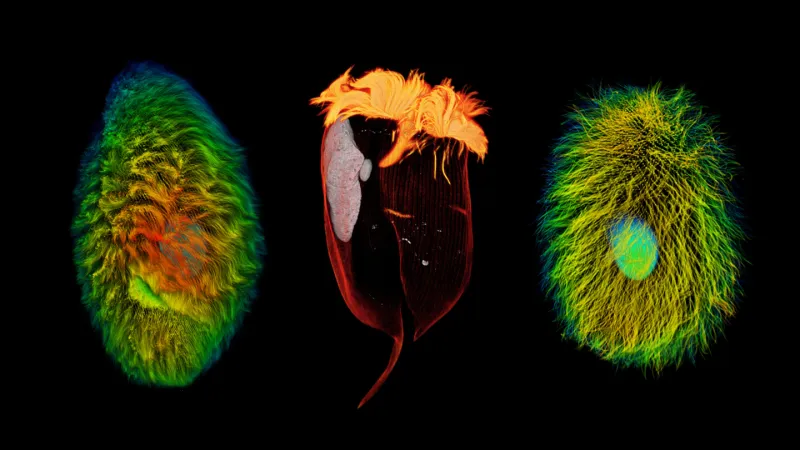
Researchers have discovered a previously unknown organelle inside ciliate microbes living in cow stomachs that may explain how livestock produce massive amounts of methane. The structure, called a hydrogenobody, appears to generate hydrogen gas that feeds methane-producing bacteria in the ruminant gut, according to work published in recent microbiology research.
Cows release roughly 14 percent of global methane emissions through belching and digestion. This methane traps heat far more effectively than carbon dioxide over short timescales, making livestock a major contributor to climate change. Scientists have long studied ruminant digestion to find ways to reduce these emissions, but the exact mechanisms driving methane production remained incompletely understood.
The hydrogenobody discovery offers a new target for intervention. Ciliates are single-celled organisms abundant in cow digestive systems. The newly identified organelle sits inside these ciliates and produces hydrogen as a metabolic byproduct. Methanogenic archaea, another type of microbe in the cow gut, then consume this hydrogen to produce methane through a chemical process called methanogenesis.
This relationship between ciliates and methanogens appears tightly linked. By identifying the hydrogenobody's role, researchers opened pathways to disrupt methane production without harming the cow's ability to digest food. Potential interventions could target the ciliate-archaean interaction, inhibit hydrogenobody function, or modify microbial communities through selective breeding or feed additives.
The discovery comes from detailed microscopy and genetic analysis of rumen microbes. Scientists examined the internal structures of ciliates and identified genes associated with hydrogen production unique to the hydrogenobody.
Limitations exist. Laboratory studies show the principle, but field trials with actual herds remain necessary. Different cattle breeds and diets may alter the hydrogenobody's activity