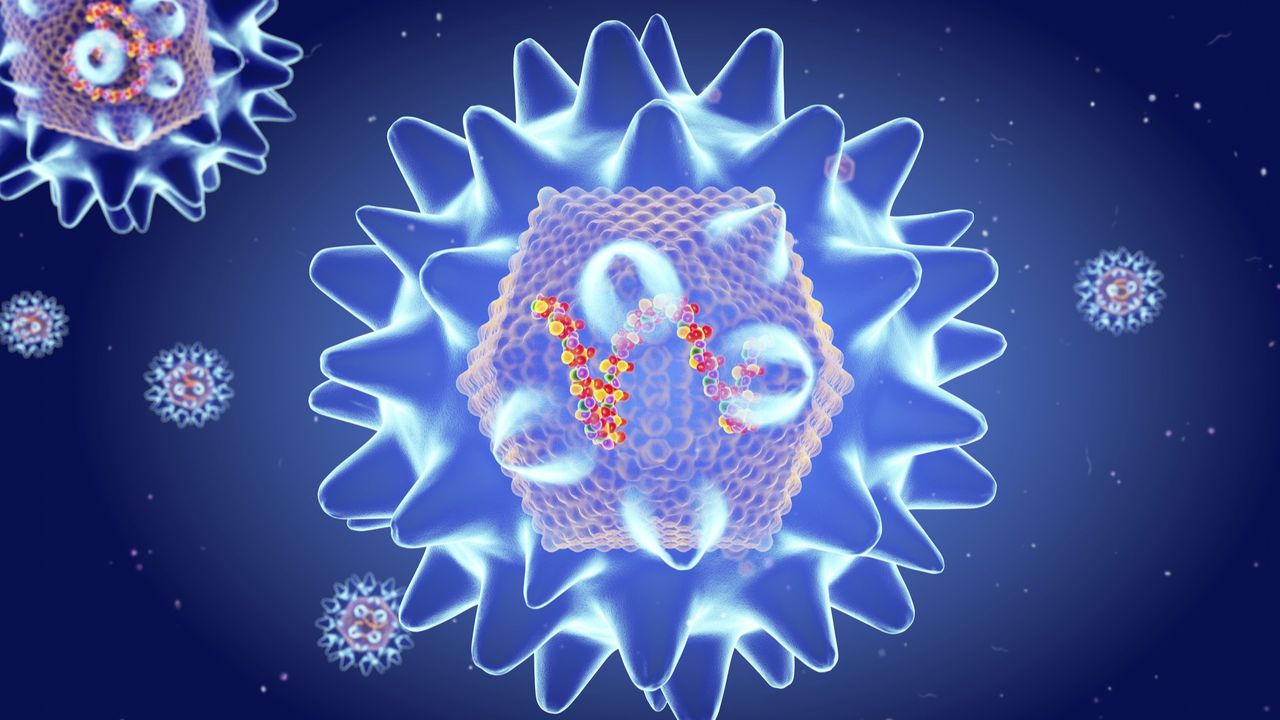
Three cruise ship passengers have died and three others have fallen ill aboard a vessel in the Atlantic Ocean, with hantavirus suspected as the cause. The deaths mark a rare occurrence of the virus appearing in a cruise ship setting, where close quarters and shared ventilation systems create conditions that could allow respiratory pathogens to spread.
Hantaviruses are transmitted primarily through contact with infected rodent droppings, urine, or saliva. The Sin Nombre virus, which causes hantavirus pulmonary syndrome in North America, kills roughly 38 percent of infected people. Symptoms include fever, muscle aches, and rapid progression to respiratory distress within one to two weeks of exposure.
The appearance of hantavirus on a cruise ship raises questions about rodent control and sanitation protocols on vessels. Ships operating in Atlantic waters encounter rats and mice at ports, and rodent infestations have been documented on cruise vessels in past years. Once aboard, rodents can contaminate food storage areas and ventilation systems, potentially exposing hundreds of passengers and crew members.
Cruise ship environments present particular challenges for infectious disease control. Passengers spend extended periods in enclosed spaces with recirculated air. The close proximity of cabins and shared dining facilities accelerate transmission of respiratory illnesses. Ships also host populations from diverse geographic regions, increasing the variety of pathogens present.
Authorities have not yet released the ship's name or specifics about how many crew members may have been affected. Testing is ongoing to confirm hantavirus as the definitive cause. The incident will likely prompt the cruise industry to review environmental health and safety standards, particularly regarding rodent prevention measures and air filtration systems.
Hantavirus infections remain uncommon in developed nations. Most cases occur in people with direct exposure to rodent habitats. The cruise ship cases, if confirmed, would represent an unusual transmission pathway and underscore the importance of integrated