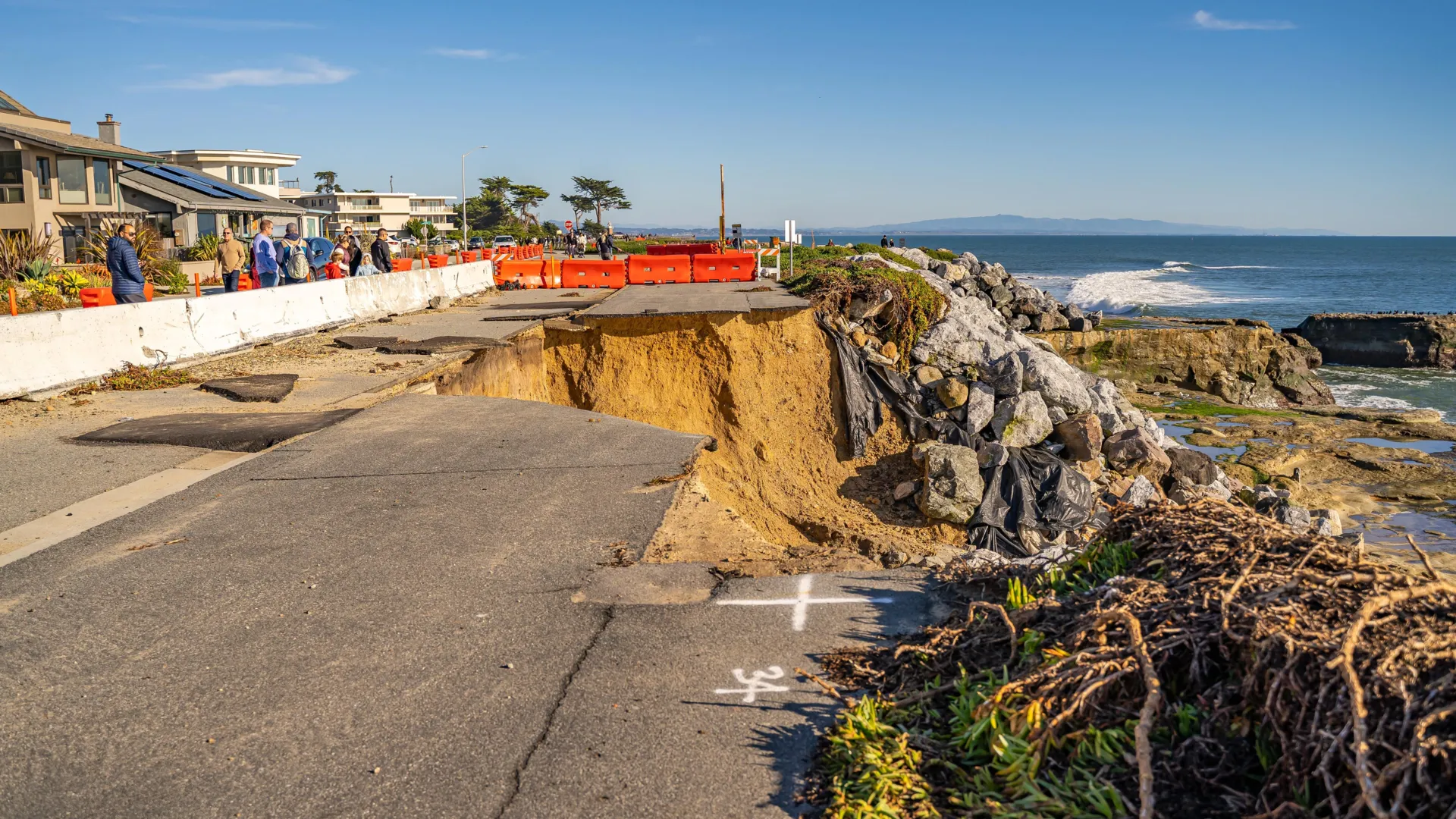
West Coast seismologists have discovered that the Cascadia subduction zone and the San Andreas fault may trigger earthquakes in rapid succession rather than independently. Researchers found these two major fault systems can synchronize, causing earthquakes to strike within minutes or hours of each other. This synchronization pattern represents a previously underestimated hazard for the Pacific Northwest and California.
The implications are severe. A coordinated rupture across both fault systems would produce a far larger disaster than a single "big one" earthquake. Instead of one region experiencing devastating shaking followed by recovery efforts, multiple areas would face simultaneous destruction, overwhelming emergency response capabilities and compounding damage across a vast geographic area.
The research reframes earthquake risk assessment for the West Coast. Disaster preparedness plans typically assume isolated major quakes. This new understanding demands updated models and emergency protocols accounting for the possibility of cascading seismic events.
Scientists plan to investigate the physical mechanisms connecting these fault systems and refine predictions about synchronization frequency and timing. Better understanding the connection could improve early warning systems and help officials coordinate disaster response across state lines.