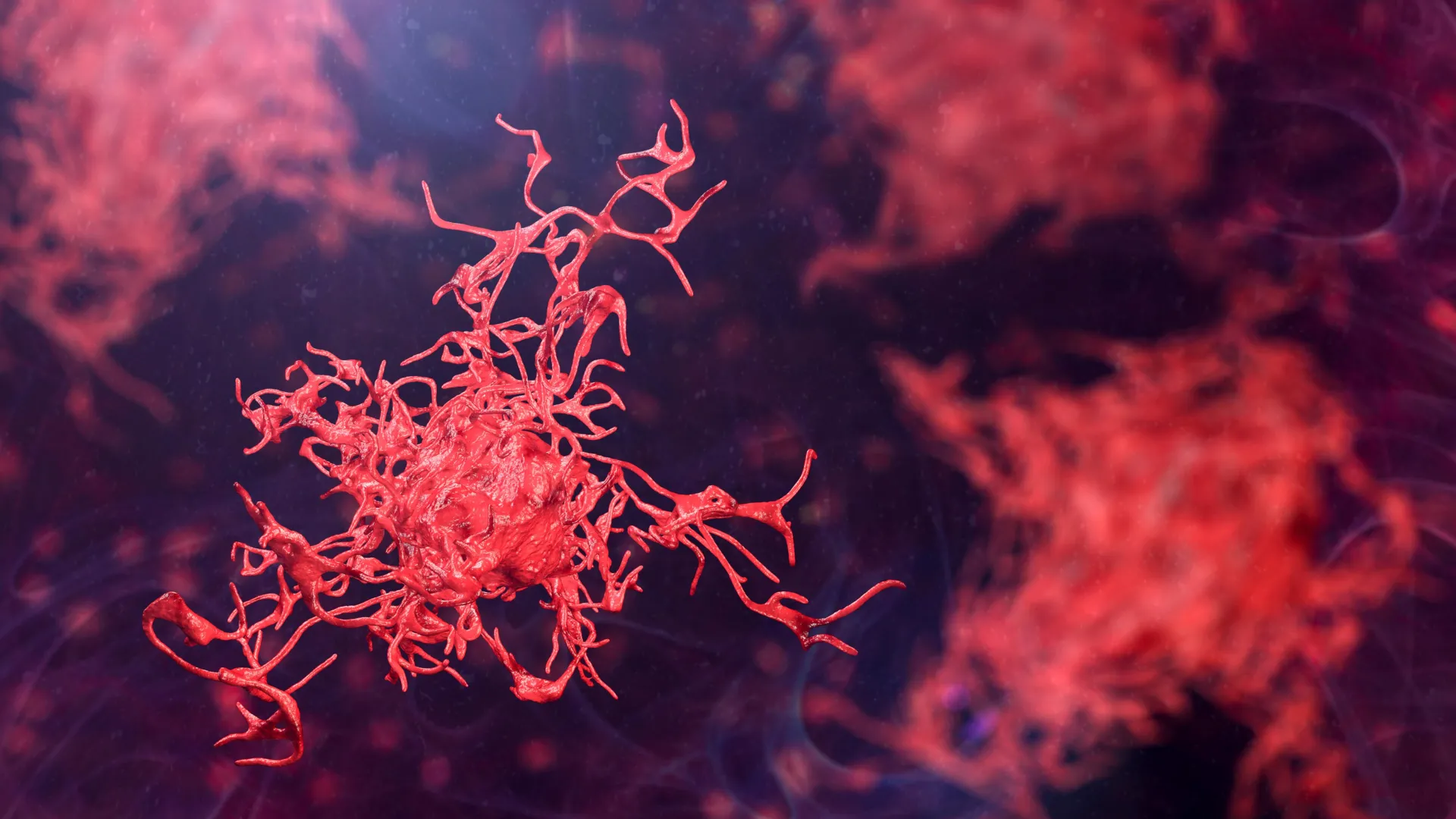
Free-living amoebae are spreading globally and posing serious health risks. Rising temperatures and aging water infrastructure create ideal conditions for these single-celled organisms to thrive. While most varieties prove harmless, some species cause deadly infections in humans. More troubling, certain amoebae can shelter dangerous bacteria and viruses, allowing pathogens to survive disinfection treatments designed to eliminate them.
The organisms resist heat and standard water treatment chemicals, making them difficult to control through conventional methods. This resilience means they persist in pipes and water systems even after chlorination and other standard safety measures.
Researchers emphasize that better surveillance systems and upgraded water treatment technologies are needed immediately. Current detection methods often fail to identify amoebae before they reach consumers. Scientists call for investment in advanced filtration and monitoring systems that can catch these organisms before they contaminate drinking water supplies.
The threat intensifies as climate change accelerates global warming. Warmer water temperatures expand the habitable range for these amoebae and accelerate their reproduction. Public health officials and water authorities worldwide must upgrade aging infrastructure and implement new protection strategies.