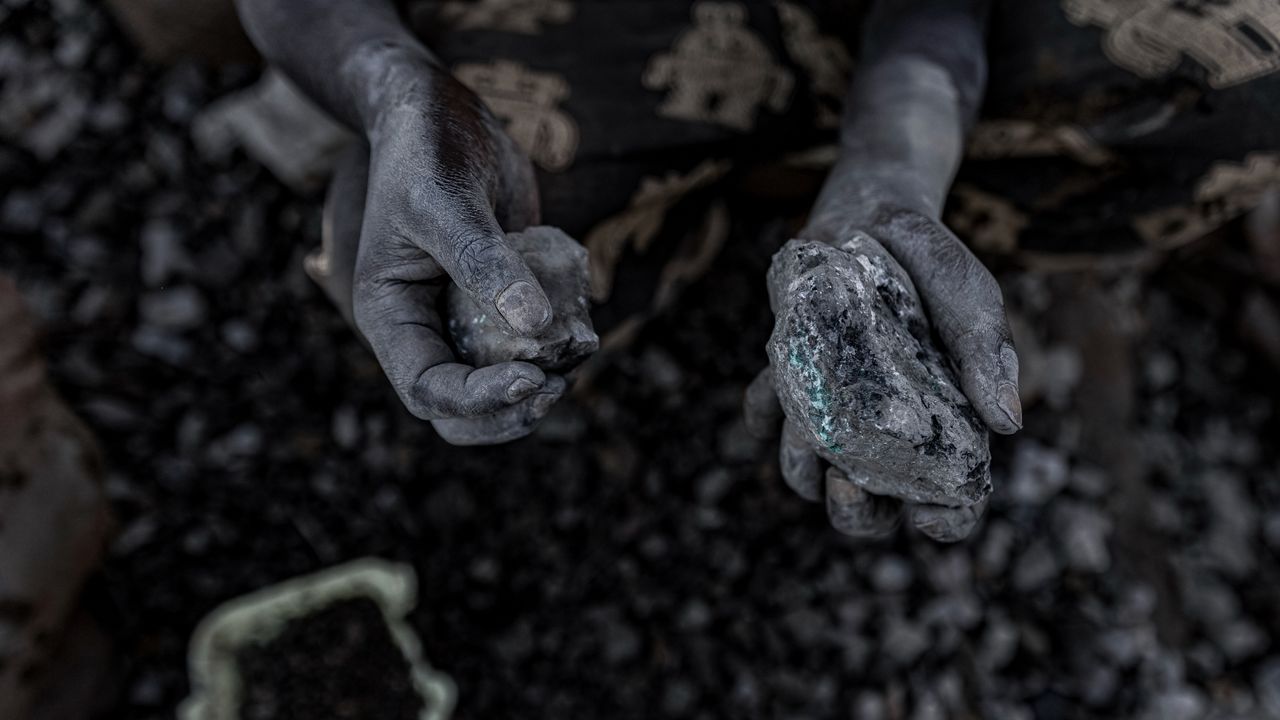
# Mining's Hidden Cost: Pollution and Health Crises in Resource-Rich Nations
The global demand for critical minerals needed for artificial intelligence and renewable energy infrastructure is creating "sacrifice zones" in developing nations where mining operations poison water supplies and harm vulnerable populations, according to Live Science reporting.
Communities near cobalt, lithium, and rare earth element mines face severe contamination of drinking water and soil. These areas experience elevated rates of birth defects, respiratory illness, and childhood stunting. Child labor remains endemic at many mining sites, with young workers exposed to toxic chemicals without protection.
The pattern repeats across Africa, Asia, and South America. Mining companies extract resources that power wealthy nations' technology and climate solutions while leaving behind environmental devastation and health crises that primarily affect the world's poorest people. Local populations lack resources to remediate damage or seek medical care for pollution-related illnesses.
This dynamic raises uncomfortable questions about the true cost of the clean energy transition and AI expansion. The minerals essential for these technologies come with a human price paid by those least responsible for the demand.
Researchers and advocates are pushing for stricter environmental regulations, corporate accountability, and remediation funds. The challenge lies in enforcing standards across jurisdictions where regulatory capacity remains weak and corporate influence runs deep.