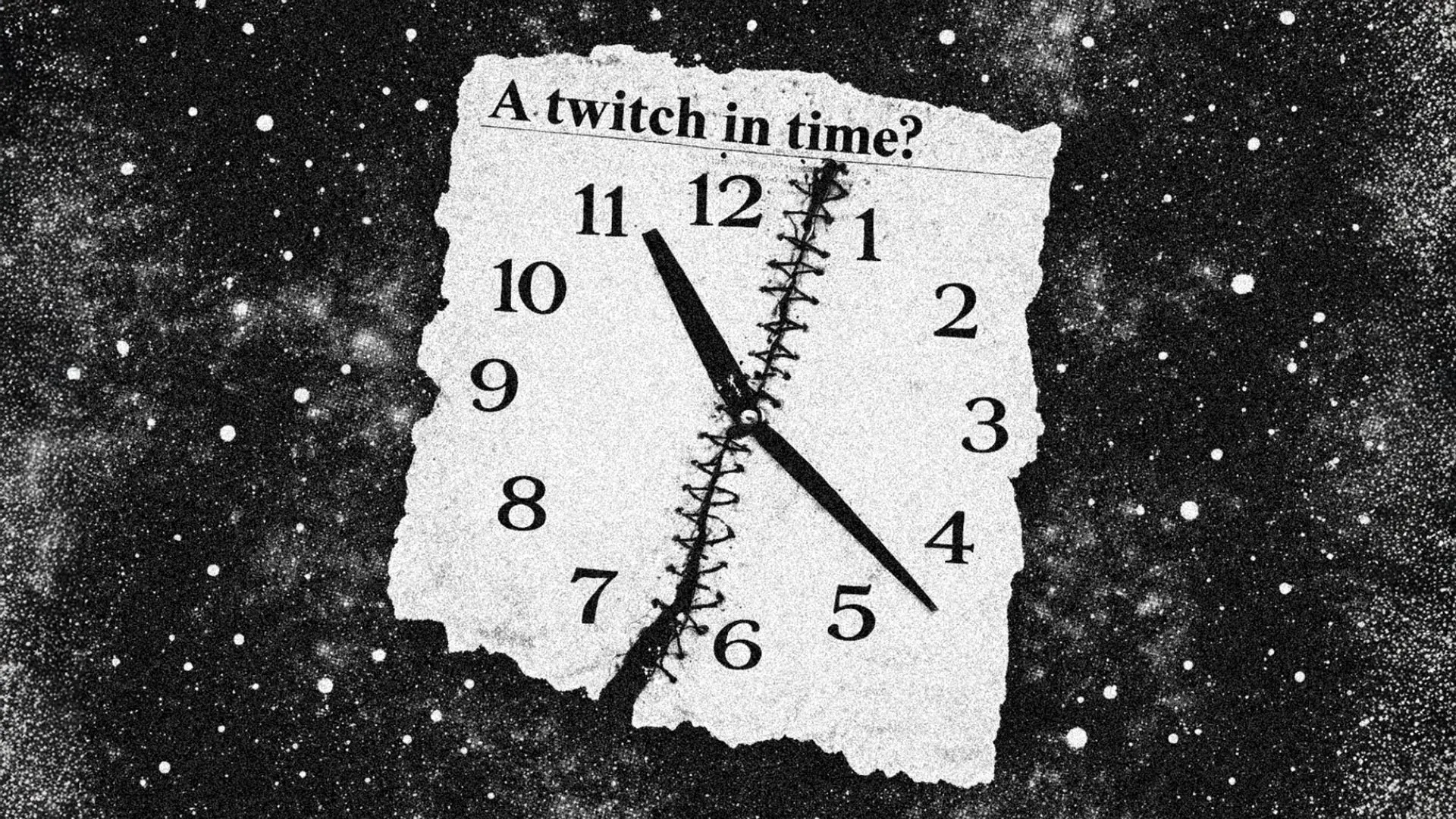
Physicists have discovered that quantum collapse processes, which convert fuzzy quantum possibilities into definite outcomes, may blur time at microscopic scales. This represents a fundamental limit to temporal precision that current clocks cannot measure.
The research suggests that gravity plays a role in quantum collapse. When particles transition from multiple possible states to a single definite state, this process could introduce tiny distortions in time itself. These distortions remain undetectable with existing technology but reveal that time has built-in constraints similar to those found in other quantum systems.
The finding matters because it bridges two of physics' most incompatible frameworks: quantum mechanics and general relativity. For decades, physicists have struggled to reconcile these theories. This work proposes that quantum collapse and gravity connect in ways that affect spacetime's fundamental properties.
The team plans to develop tests that might detect these temporal blurs through precision atomic clocks or gravitational wave detectors. Confirming this effect would reshape how physicists understand the relationship between quantum mechanics and gravity, potentially unlocking new physics beyond current theories.