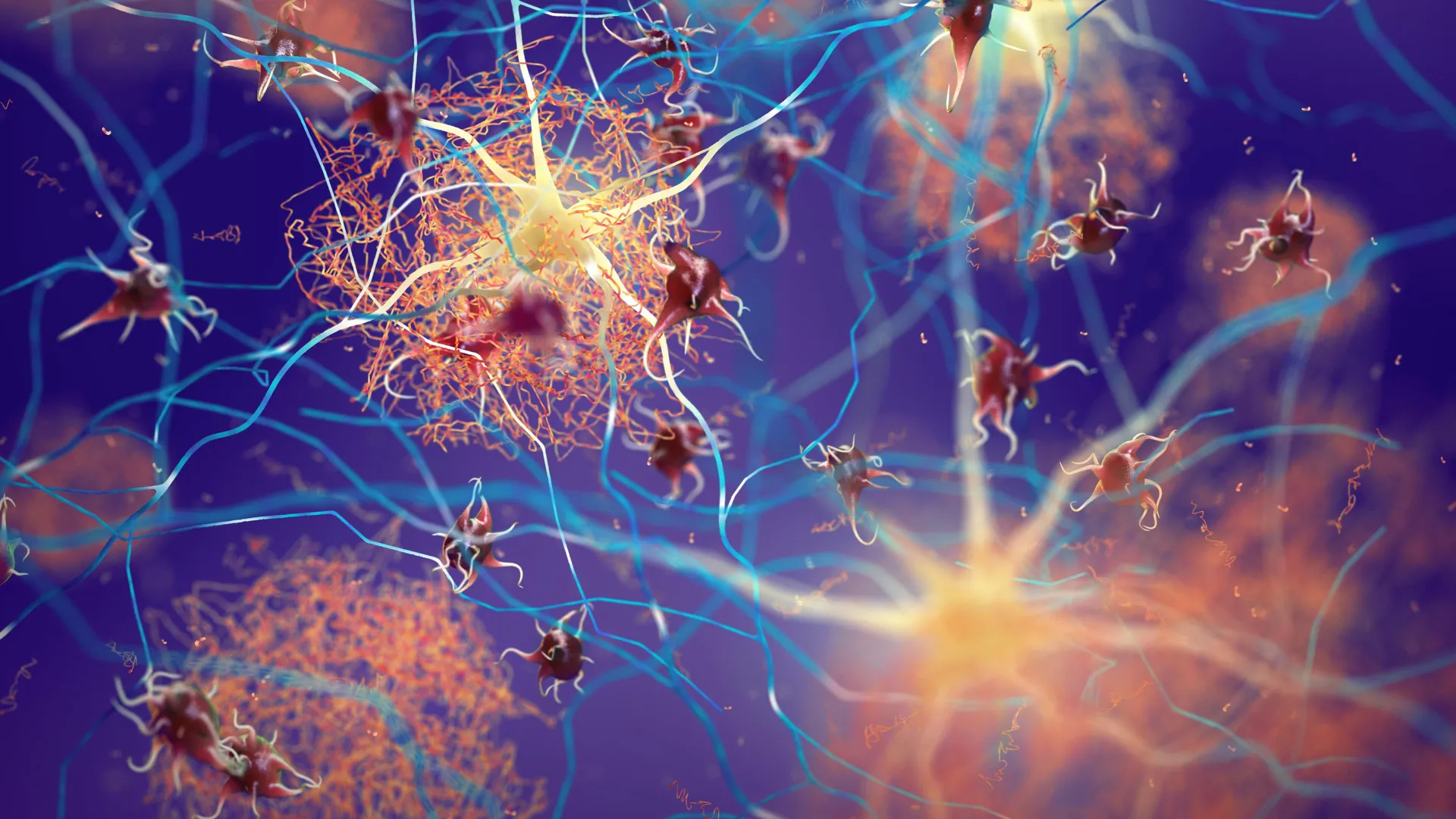
Researchers have discovered that boosting a single protein called Sox9 activates astrocytes, the brain's support cells, allowing them to clear away harmful plaques linked to Alzheimer's disease. In mouse models showing memory loss, this approach reduced plaque buildup and protected cognitive function over time.
Astrocytes resemble stars and normally work to maintain brain health. When scientists increased Sox9 levels, these cells became more active at their cleanup job. The finding matters because Alzheimer's develops partly from toxic protein accumulation that astrocytes struggle to remove. This suggests a new treatment pathway targeting the brain's natural defense system rather than attacking plaques directly.
The research team tested this in mice already experiencing memory problems, making the results particularly relevant for treating existing disease rather than just prevention. Results showed that activating astrocytes through Sox9 slowed cognitive decline.
The next step involves determining whether this approach works in human brains and developing drugs that can safely boost Sox9 levels in patients. Researchers must also understand whether this mechanism works for Alzheimer's in its various stages. If successful in human trials, this strategy could offer a new therapeutic option for a disease that affects millions worldwide and currently lacks effective treatments.