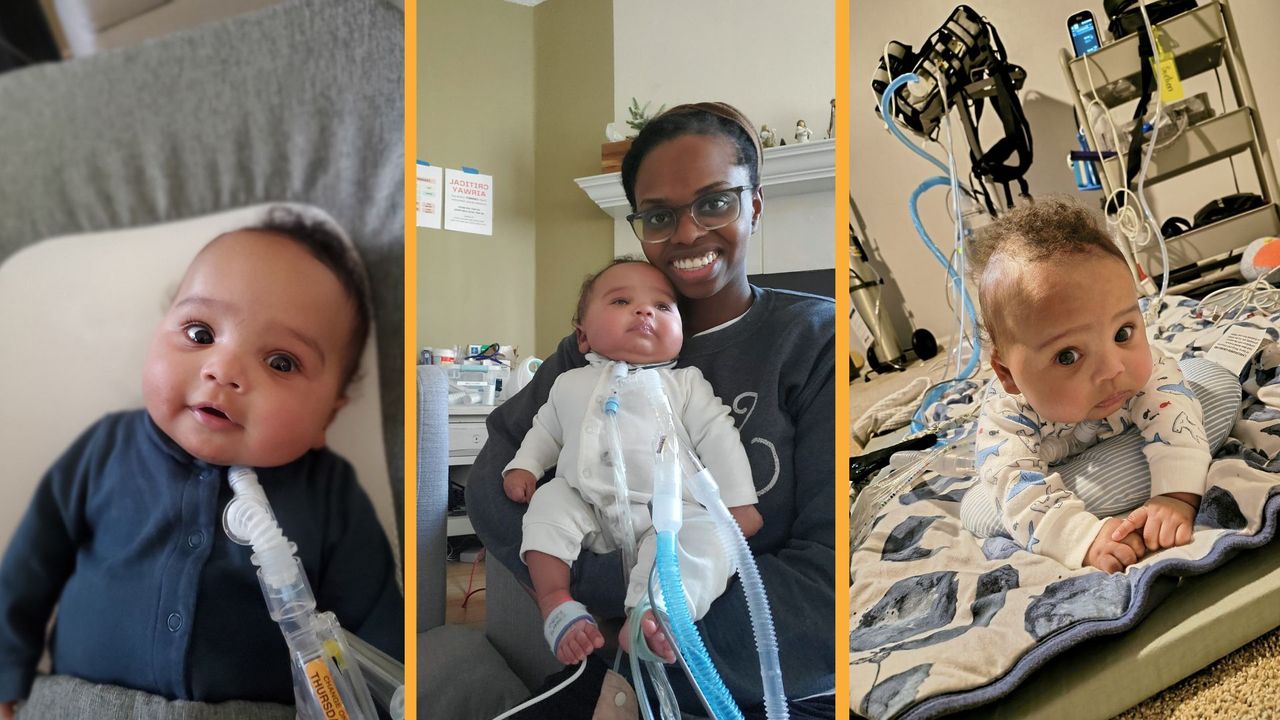
Doctors at Boston Children's Hospital performed an extraordinary surgical procedure on a fetus at 25 weeks gestation to treat congenital pulmonary airway malformation, a rare lung disorder. The surgical team partially delivered the baby while keeping the umbilical cord intact, allowing them to access and repair the affected lung tissue before returning him to the womb.
The condition creates abnormal lung pouches that prevent normal breathing. Without intervention, the baby faced death or severe respiratory failure after birth. The partial delivery technique, called ex utero intrapartum treatment (EXIT), gave surgeons access to the lungs while preserving placental blood flow that kept the fetus alive during the operation.
The procedure carries substantial risks for both mother and baby. Premature delivery complications, infection, and hemorrhage threatened both lives throughout surgery. Despite these dangers, the medical team determined the procedure offered better survival odds than waiting until birth.
The baby was born two weeks later and required additional postnatal surgery but has since recovered. This case demonstrates how fetal surgery continues advancing to address life-threatening conditions before birth. Doctors now consider EXIT procedures for select cases of severe lung malformations, though the technique remains available only at specialized centers equipped with expertise in both fetal and neonatal care.