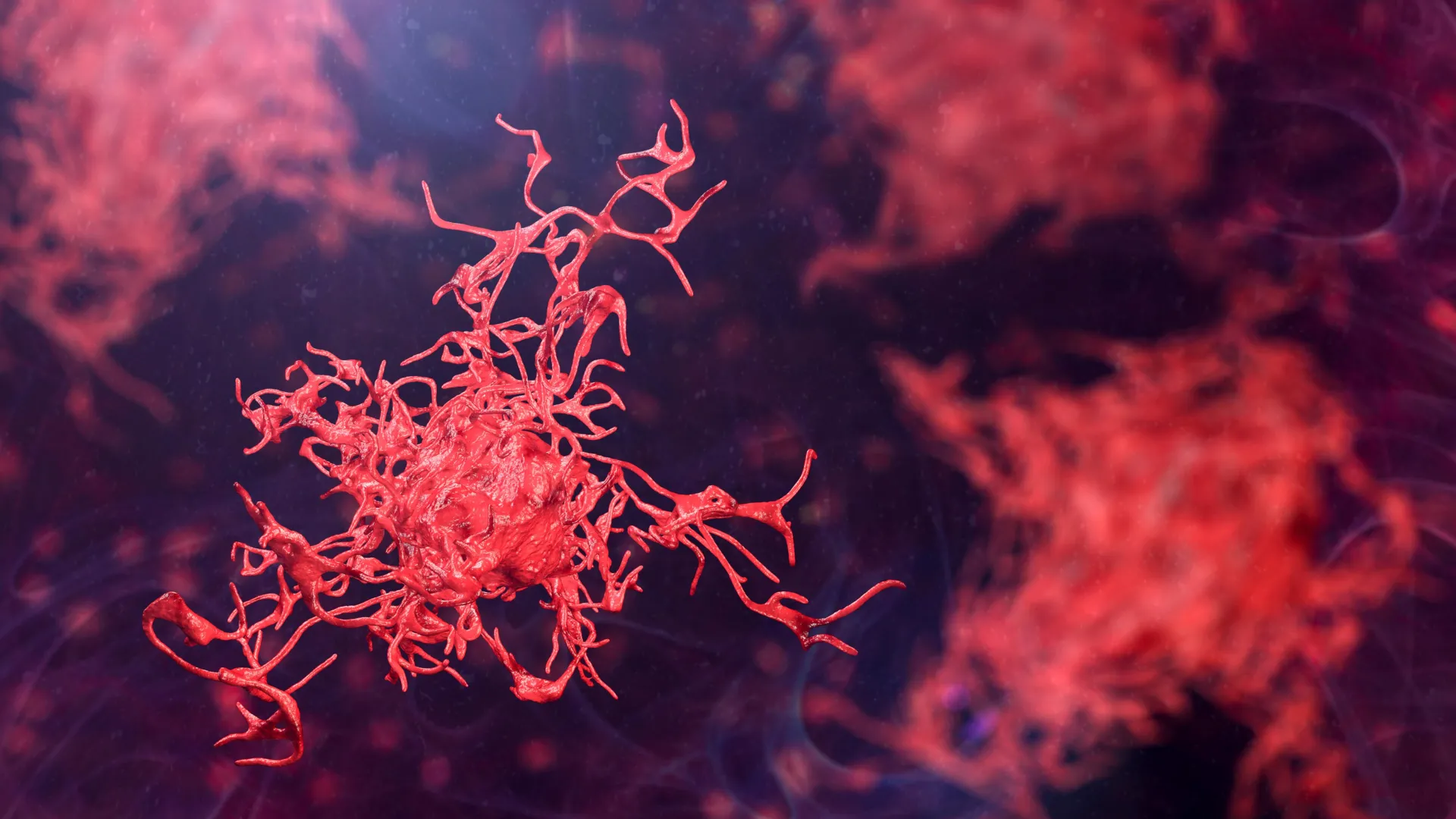
Free-living amoebae are spreading across the globe as a growing health threat, driven by rising temperatures and aging water infrastructure. Many species pose no risk, but others trigger deadly infections in humans. More troubling, some amoebae shield dangerous pathogens from antibiotics and disinfectants, allowing those microbes to survive treatment and spread further.
The organisms' resilience presents a major challenge. They withstand heat and chemical disinfectants that eliminate other microbes, making them difficult to control through standard water treatment. This durability means they persist in pipes and facilities even after sanitization attempts.
Researchers warn that current monitoring systems fail to detect these amoebae consistently. Water utilities lack adequate surveillance tools to track infections before they reach the public. Scientists call for two urgent interventions. First, water systems need modernization and improved treatment protocols specifically designed to neutralize amoebae. Second, health authorities must establish better surveillance networks to catch outbreaks early.
The stakes rise as global temperatures climb. Warmer water supports amoeba reproduction, expanding their range and concentration in drinking water systems worldwide. Without action, public health officials expect these infections to increase in frequency and severity.