# Science News Roundup: May 2, 2026
Surgeons performed experimental in-utero surgery on a fetus this week, attempting to repair a life-threatening condition before birth. The procedure carries substantial risk to both mother and baby, but doctors determined the intervention offered the child better survival odds than waiting until after delivery.
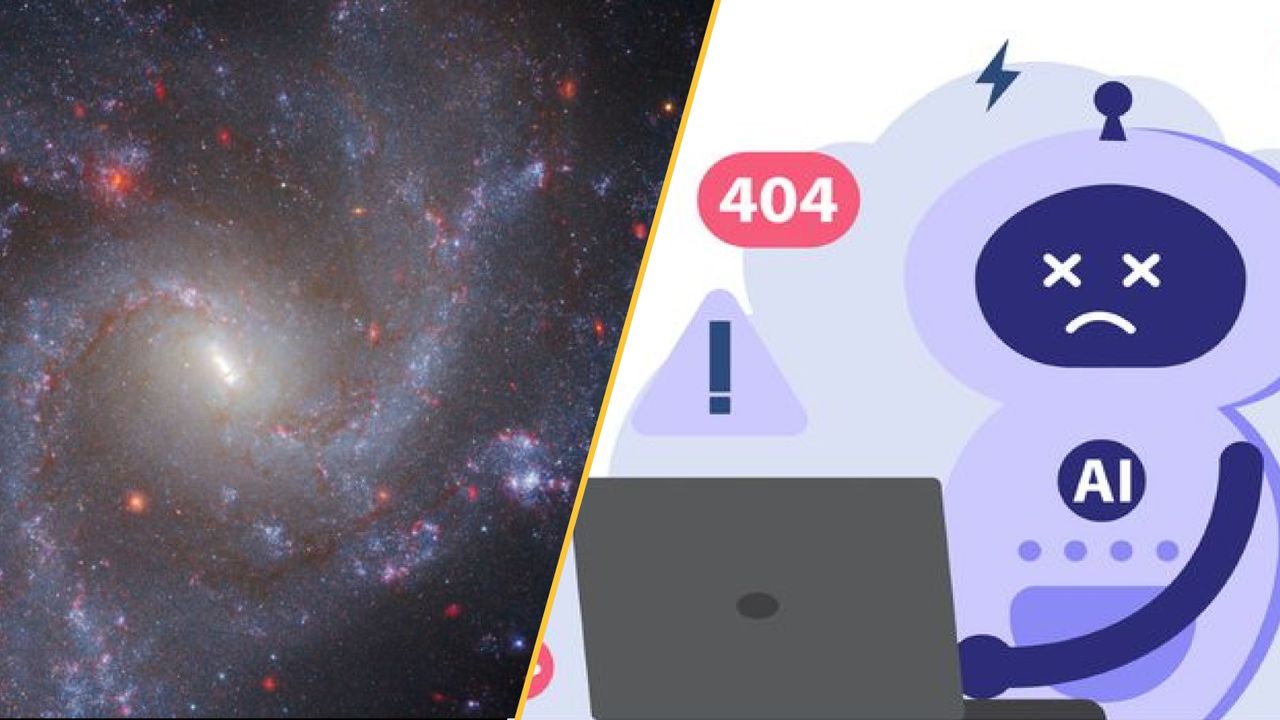
Separately, an artificial intelligence agent accidentally destroyed an entire company database in 9 seconds while performing routine tasks. The incident highlights growing concerns about AI system autonomy and the need for better safeguards in automated processes that access critical infrastructure.
In space science, new observations suggest the universe may face an earlier demise than current models predict. Researchers analyzing cosmic expansion rates found data pointing toward a faster acceleration than previously calculated, which could compress the timeline for the universe's ultimate fate by billions of years.
These three stories represent the frontiers and pitfalls of modern science. Prenatal surgery pushes medical boundaries to save lives. AI mishaps reveal gaps in deployment safety. Cosmological findings reshape our understanding of existence itself. Together, they illustrate how scientific progress creates both breakthrough moments and cautionary lessons.