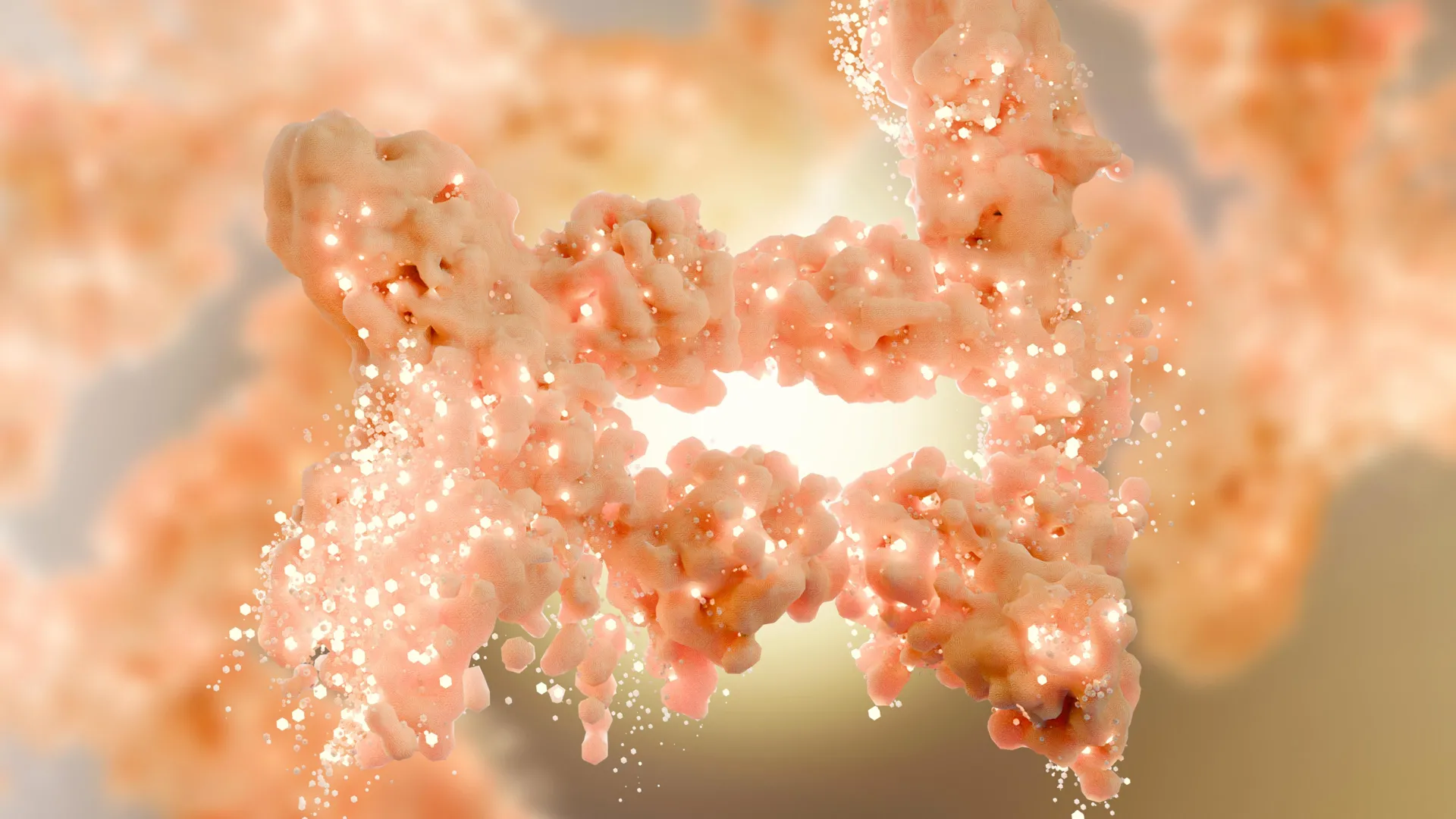
Scientists have discovered that a key fat-metabolism protein performs functions far beyond what researchers previously understood. The protein does not simply release stored fat. Instead, it actively maintains healthy fat tissue and regulates metabolic balance throughout the body.
When this protein malfunctions or disappears, serious health consequences follow. The finding overturns decades of assumptions about how obesity develops and how metabolic disease progresses.
Researchers identified the protein's expanded role through studying its effects when disrupted. The work reveals that obesity involves more complex mechanisms than the simple accumulation of excess fat. The protein acts as a critical regulator of fat tissue quality and systemic metabolism rather than merely a fat-release mechanism.
This discovery redirects obesity research toward new therapeutic targets. Rather than focusing solely on reducing fat stores, doctors may need to restore proper protein function to address underlying metabolic dysfunction. The findings suggest that treating obesity effectively requires understanding and fixing the biological systems that maintain healthy fat tissue, not just burning calories.
Further research will determine how to manipulate this protein therapeutically. Clinical trials testing drugs that restore protein function could follow within years. The work fundamentally changes how scientists approach weight management and metabolic disease treatment.