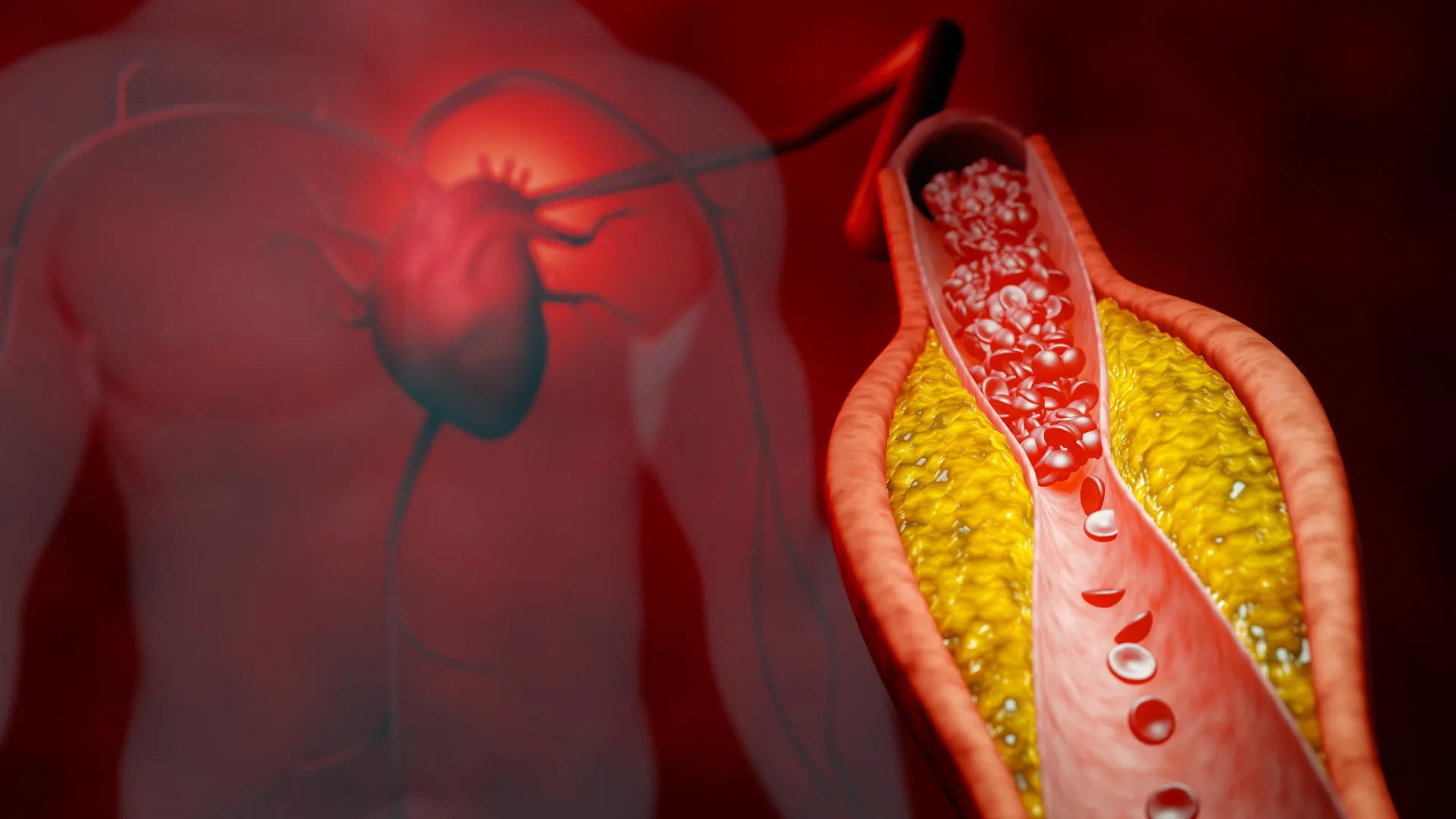
Researchers have developed DNA-based molecules that lower bad cholesterol by nearly 50 percent without using statins. The treatment works by blocking PCSK9, a protein that keeps LDL cholesterol circulating in the bloodstream. When PCSK9 is shut down, cells absorb more cholesterol instead of allowing it to accumulate in arteries, reducing heart disease risk.
This approach offers a major alternative to traditional statin drugs, which many patients struggle to tolerate or find ineffective. The DNA molecules function as a direct intervention at the molecular level, targeting the root cause rather than treating symptoms downstream.
The breakthrough addresses a significant unmet need. An estimated 39 million Americans have elevated cholesterol levels, yet many cannot take statins due to side effects or resistance. This new treatment could expand options for patients at high risk of heart attacks and strokes.
Researchers plan to move toward clinical trials in humans next. If successful, the therapy could reshape cholesterol management within the next five years, offering patients a non-statin option that achieves dramatic results with potentially fewer side effects than existing medications.