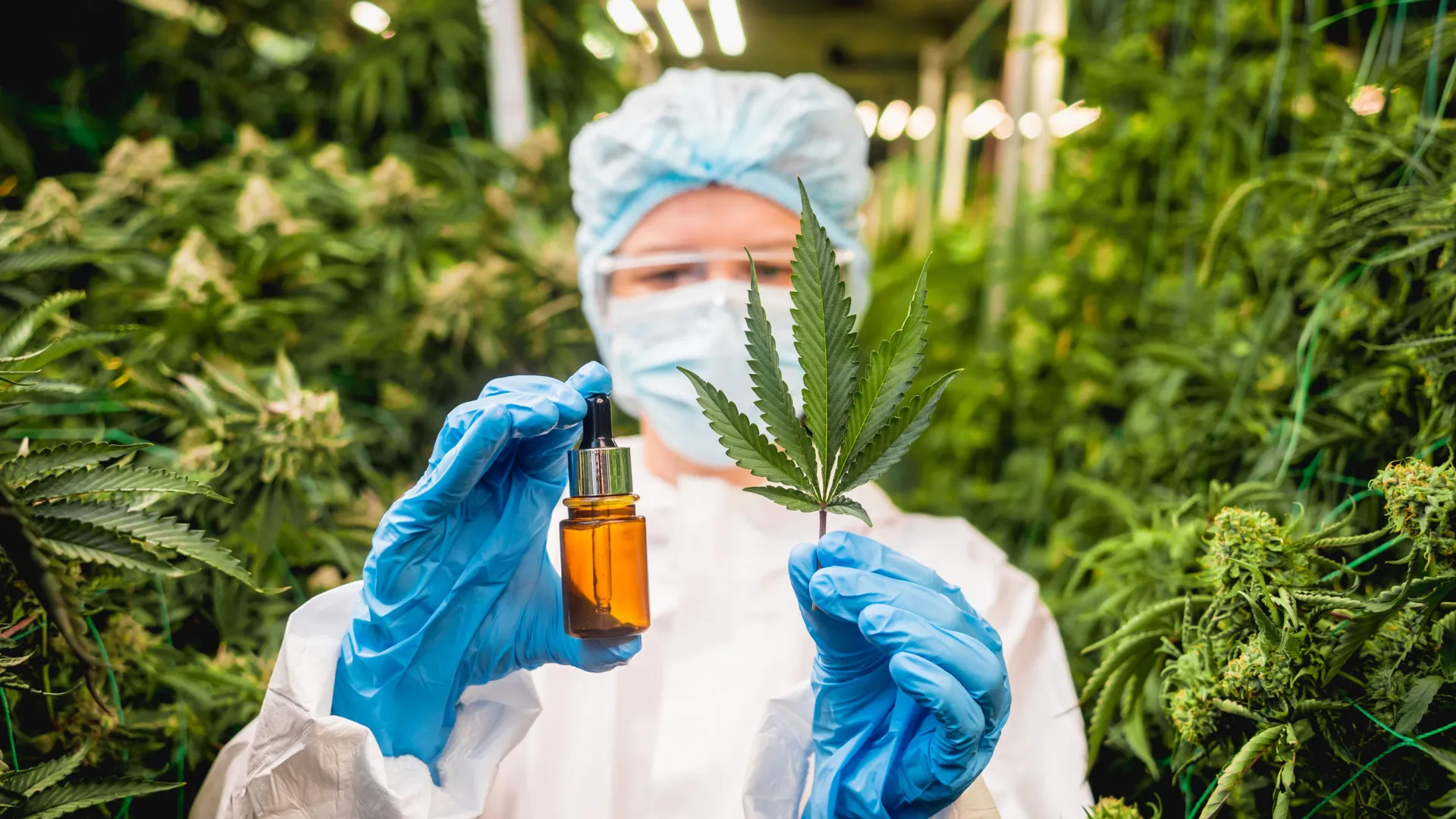
Researchers identified dozens of previously unknown compounds in cannabis leaves, including flavoalkaloids detected for the first time in the plant. These rare molecules show potential medical benefits but remain largely unstudied.
The discovery reveals unexpected chemical complexity across cannabis strains. Different plants produce vastly different compound profiles, even within closely related varieties. Scientists extracted and analyzed leaf material, uncovering the hidden molecular diversity that previous research missed.
Cannabis leaves typically end up as waste during processing. This finding suggests they contain valuable compounds worth preserving and investigating further. The flavoalkaloids and other newly identified molecules could lead to new therapeutic treatments if researchers pursue their effects.
The next phase involves characterizing what these compounds actually do in human biology. Scientists must test their safety and efficacy before any medical applications become possible. The work opens a new research direction focused on cannabis byproducts rather than just the flower material traditionally studied.
This research expands our understanding of cannabis chemistry beyond the well-known cannabinoids like THC and CBD. Industrial growers and pharmaceutical developers may soon view cannabis processing waste as a resource rather than something to discard.