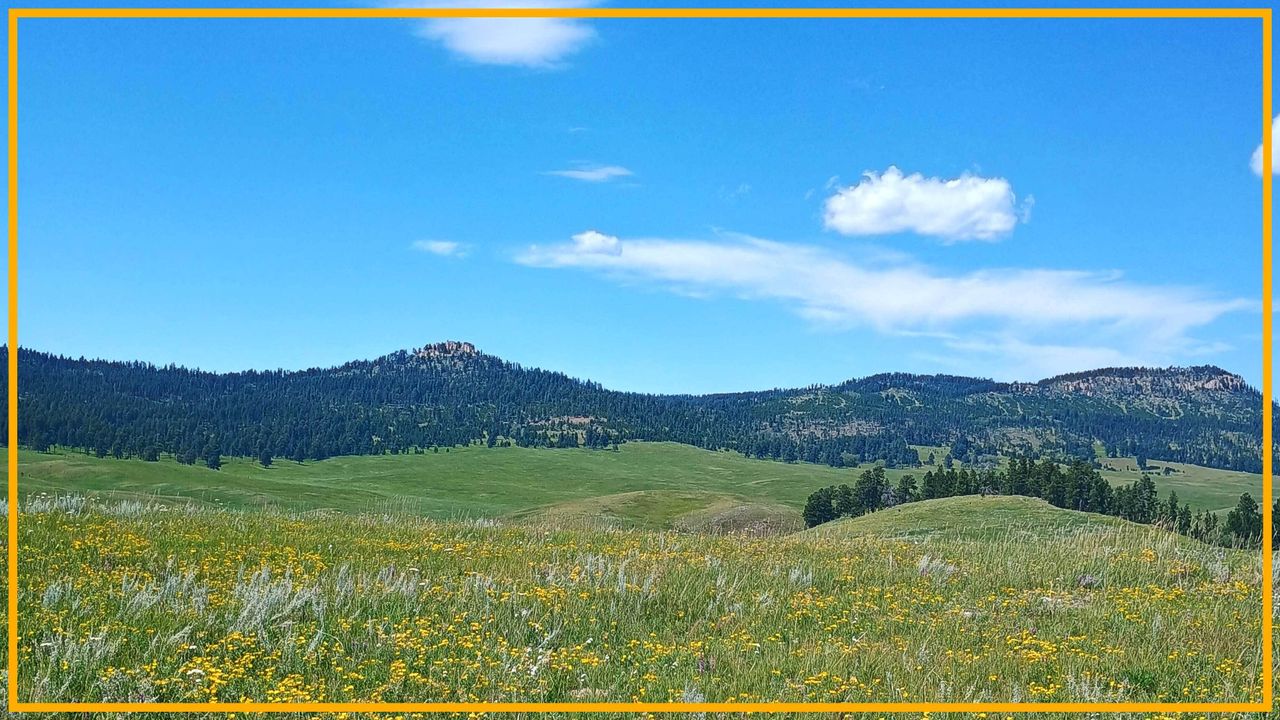
Oil and gas drilling has begun in a protected buffer zone around Pe' Sla, a sacred site in South Dakota's Black Hills. The 2-mile buffer zone was established to safeguard the spiritually significant location from industrial development. This drilling represents a breach of protections that the federal government had previously enforced around Indigenous sacred lands.
The Lakota and other tribes view Pe' Sla as a central place in their spiritual and cultural practices. The development threatens not only the physical integrity of the site but also the ability of Indigenous peoples to access and use the land for ceremonial purposes.
Legal experts and tribal leaders warn that this precedent endangers similar protections across the country. If drilling proceeds without consequences at a federally protected sacred site, other oil and gas companies may challenge comparable restrictions on Indigenous lands nationwide.
Tribal representatives are calling for the drilling to stop immediately. They argue that consultation with Indigenous nations about projects affecting their sacred sites remains inadequate, despite federal requirements to engage in meaningful government-to-government consultation.
The case highlights ongoing tensions between energy development interests and Indigenous sovereignty. The outcome could determine whether the U.S. government's commitments to protecting tribal lands hold legal weight or remain symbolic gestures.